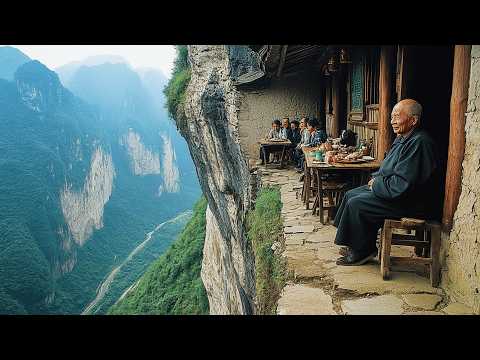
This blog post takes readers on a journey through lesser-known yet breathtaking locations in China, showcasing their natural beauty, cultural significance, and unique ecosystems. From the mystical Wuang Mountains to the serene Basong Kuo Lake, discover the hidden treasures that reveal a different side of China, rich in history and biodiversity.
China is a land of vast landscapes and rich history, yet many of its most breathtaking locations remain hidden from the typical tourist maps. This blog post takes you on a journey through some of these lesser-known yet stunning destinations, revealing their natural beauty, cultural significance, and unique ecosystems.
The adventure starts with a quest for silence, leading to the discovery of places that feel like they have lived in dreams all along. From nameless mountains to floating temples, each step into the heart of China unveils stories waiting to be told.
In Sigunan, visitors are greeted by misty mountains reminiscent of a fairy tale kingdom. This region, often overlooked, offers a serene escape into nature's embrace.
Climbing hundreds of stone steps at Fanjing Shan rewards adventurers with a floating temple suspended over 7,500 feet above sea level, providing a breathtaking view of the surrounding landscape.
In places like Yasano Libo and Basong Kuo, nature is not just seen but heard. The sounds of the environment breathe life into these locations, creating an immersive experience.
The Wuang Mountains, recognized as a UNESCO World Heritage site since 1994, are the cradle of the Taoist martial arts tradition. The tallest peak, Tanzhu Peak, rises to 10,007 feet, symbolizing the region's grandeur. The area is dotted with over 30 shrines and unique constructions, showcasing a blend of natural beauty and ancient spirituality.
Mount Hashan, one of China's five sacred mountains, features perilous hiking trails and a rich history of Taoist monasteries. With around 100,000 tourists visiting annually, it generates significant revenue while offering awe-inspiring scenery.
High Lake, one of the largest freshwater lakes in China, spans 48.5 square miles and is vital for local ecosystems. Its ancient origins date back over a million years, providing a habitat for diverse species.
Home to nearly 100 fish species, including rare varieties, Ahai Lake plays a crucial role in conservation efforts, enriching both the ecosystem and local culture.
At an elevation of 12,467 feet, Basong Kuo Lake is one of the highest lakes in the world. Its glacial origins and vibrant water colors make it a stunning natural wonder.
Tianti Mountain, the birthplace of a prominent Buddhist sect, offers a peaceful retreat with its untouched forests and diverse landscapes. The area is ideal for those seeking tranquility and spiritual connection.
Yulong Snow Mountain, with its highest peak at 18,360 feet, is a unique blend of ice and tropical flora, showcasing the ecological diversity of the region.
Anren Ancient Town preserves European architectural styles from the late Qing Dynasty, attracting visitors with its rich cultural heritage and traditional festivals.
Stretching approximately 24 miles, the Tian Shan Grand Canyon is a geological marvel with unique rock layers and diverse ecosystems, making it a must-visit for nature lovers.
China's hidden gems offer a glimpse into a world that is raw, sacred, and profoundly beautiful. From the majestic mountains to serene lakes, these locations reveal the rich tapestry of nature and culture that defines this vast country. Whether you seek adventure, tranquility, or a deeper understanding of local traditions, these unseen places promise an unforgettable experience that goes beyond the typical tourist trail.