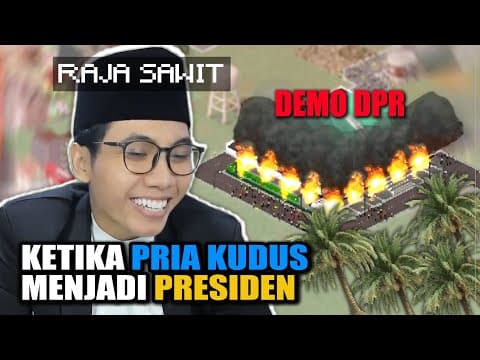
This article delves into a gameplay session of TheoTown, highlighting urban development challenges such as housing, electricity supply, and community management, alongside the strategic focus on palm oil plantation expansion. It captures the humorous and chaotic interactions within the game, reflecting on issues like corruption, infrastructure, and local governance in a simulated environment.
In this engaging gameplay session of TheoTown, players navigate the complexities of urban development, community management, and agricultural expansion. The video captures a lively and humorous interaction with various in-game elements, including housing zones, electricity supply, and the strategic planting of palm oil (sawit) plantations.
The gameplay begins with a focus on the residential zone, where the player offers free housing and apartment buildings to the community. However, a sudden challenge arises when the residents require electricity. The player expresses surprise at being tasked with building the electricity infrastructure, questioning the self-sufficiency of the community who typically purchase electricity tokens independently.
This scenario highlights the common urban planning challenge of balancing housing development with essential utilities. The player’s reaction adds a humorous touch, reflecting the unexpected responsibilities that come with city management.
Throughout the gameplay, various comments and reactions from the in-game community add depth and humor. Phrases like "Parah banget anjing" and references to local figures and political sentiments create a lively atmosphere. The player encounters complaints about destroyed banana trees and sarcastic remarks about corruption, illustrating the social dynamics and challenges faced by city officials.
The dialogue includes greetings and expressions of goodwill, such as "Salam sejahtera untuk kita semua" and "Assalamualaikum warahmatullahi wabarakatuh," showcasing the cultural context within the game.
The player assumes the role of a local leader, addressing the community with promises to improve welfare and create job opportunities. A significant part of the strategy involves organizing a meeting to discuss the urgent need to plant more palm oil trees, as previous plantations were damaged by floods.
This segment reflects real-world issues of agricultural management and environmental challenges. The player’s commitment to revitalizing the palm oil sector underscores the importance of sustainable planning in both virtual and actual contexts.
Humorous references to corruption appear throughout the gameplay, with the player joking about typical corrupt officials having large bellies and wearing glasses. These comments serve as a satirical take on political issues, adding a layer of social commentary to the game.
The player also identifies as a supporter of a political figure, adding to the immersive and relatable nature of the gameplay experience.
The player finds the game mechanics straightforward, likening the tasks to children's play. Despite the simplicity, the game effectively simulates the complexities of city management, including housing, utilities, and agricultural development.
Requests from the community, such as clearing excessive palm oil trees, demonstrate the dynamic and responsive nature of the game environment.
This TheoTown gameplay session offers a rich and entertaining exploration of urban and agricultural management challenges. Through humorous dialogue, strategic planning, and community interaction, players gain insight into the multifaceted responsibilities of city governance and the importance of balancing development with environmental and social considerations.
The game serves as both an enjoyable pastime and a subtle educational tool, reflecting real-world issues in a simulated setting.