
This blog post delves into Dr. Craig M. Nakashian's lecture on urban military service in medieval England, discussing the origins of medieval armies, the roles of urban dwellers, and the evolution of military obligations from the 11th to the 14th centuries. It highlights the significance of urban centers in providing military support to the monarchy and the changing nature of these obligations over time.
In a recent lecture, Dr. Craig M. Nakashian presented his research on urban military service in medieval England, focusing on the obligations and opportunities that arose for urban dwellers during this period. This discussion is particularly relevant in the context of civic and community engagement, as it sheds light on the collective responsibilities of individuals to defend their realm.
Dr. Nakashian holds a bachelor's degree in history and government from Western New England University, a master's degree from the University of Durham, and a PhD from the University of Rochester. He has authored several prestigious publications, including "A Warrior Churchman in Medieval England." His current work aims to expand on his dissertation topic regarding urban military service.
To understand urban military service, it is essential to grasp how medieval armies were formed. In medieval England, particularly during the 11th to 13th centuries, armies were composed of four main groups:
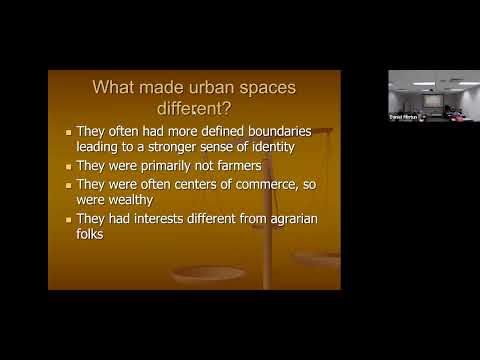
Dr. Nakashian emphasized the importance of urban centers in providing military support to the monarchy. Urban dwellers were often called upon to supplement royal armies, particularly because they lacked noble lords above them, making them more directly accountable to the king.
Before the Norman Conquest in 1066, the Anglo-Saxons had a relatively effective system for mobilizing urban warriors. The Doomsday Book, a comprehensive survey commissioned by William the Conqueror in 1086, serves as a crucial source for understanding urban military obligations. It documented land ownership and resources, providing insights into how urban centers contributed to military efforts.
The Doomsday Book reveals that urban centers had specific military obligations. For instance, in Herefordshire, townsmen were required to serve in military expeditions against the Welsh, with fines imposed for noncompliance. This pattern of obligation was echoed in other regions, such as Shropshire and Worcester, where urban dwellers faced similar requirements.
As the medieval period progressed, particularly during the reign of Henry II, urban military service became more formalized. The Assize of Arms established clear expectations for urban dwellers, mandating that they possess specific weapons and armor. This legislation aimed to create a more organized and capable military force drawn from the towns.
Town charters from the late 12th century began to explicitly mention military obligations, indicating a shift towards a more structured approach to urban military service. These charters often included stipulations about when and how townsmen could be called to serve, reflecting the king's desire to monopolize military power and prevent unauthorized military actions by towns.
By the 13th century, urban soldiers played a significant role in various conflicts, including the Barons' Wars. Notably, the citizens of London were mobilized to support the king, demonstrating the increasing reliance on urban forces. However, their effectiveness varied, as evidenced by their poor performance in certain battles.
Dr. Nakashian's lecture highlights the evolving nature of urban military service in medieval England. As urban centers grew in importance, so too did their military obligations. By the end of the 13th century, the distinction between urban and rural soldiers began to blur, paving the way for a more nationalized system of military service. This historical exploration not only enriches our understanding of medieval society but also underscores the enduring themes of civic responsibility and community engagement in times of conflict.



















