Following a controversial incident where Don Lemon and associates disrupted a church service in St. Paul, Minnesota, federal authorities have arrested key individuals involved, including activist Nekima Levy Armstrong. Charged under federal conspiracy laws, these arrests highlight the enforcement of religious freedom and accountability for politically motivated intimidation.
In a significant development, federal authorities have taken decisive action against a group led by activist Nekima Levy Armstrong, associated with Don Lemon, following their storming of a church service in St. Paul, Minnesota. This incident, which involved intimidation and disruption of a religious gathering, has resulted in arrests and federal charges, underscoring the importance of protecting religious freedoms and upholding the rule of law.
The controversy began when Don Lemon and his group, described as a "ragtag crew," entered a church service in Minneapolis, Minnesota, with the intent to intimidate attendees and impede their right to practice their faith. This act was widely condemned as an infringement on religious freedom and an example of politically motivated intimidation.
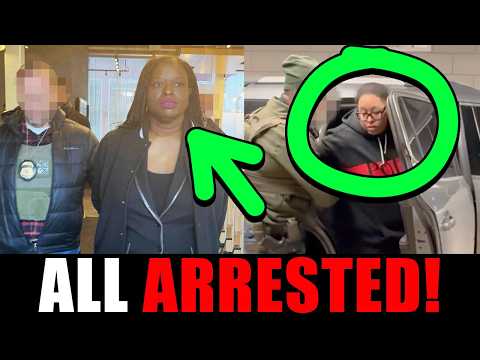
Pam Bondi, the Attorney General, directed Homeland Security Investigations (HSI) and FBI agents to execute arrests related to the incident. The first arrest was that of Nekima Levy Armstrong, who played a key role in organizing the coordinated attack on the church. The arrest was made under Title 18 of the United States Code, Section 241, which pertains to conspiracy against rights.
Additional arrests include Shauntell Allen, a local school board member and BLM activist known for previous public disturbances. Both individuals face serious federal charges for their involvement.
The charges brought against the arrested individuals are significant. The federal statute cited, 18 U.S.C. § 241, addresses conspiracies to interfere with civil rights, including the right to freely practice religion. This law is a critical tool in prosecuting acts of domestic terrorism and politically motivated violence.
The incident is being treated not merely as a protest but as an act of intimidation and obstruction of religious practice, which is protected under the First Amendment. The enforcement of these laws sends a clear message that such actions will not be tolerated.
The arrests have sparked varied reactions. Supporters of the action emphasize the necessity of accountability and the protection of religious freedoms. Critics, particularly from the left, are expected to frame the arrests as politically motivated or as an overreach.
However, the evidence against the accused is substantial, including video footage of the event and communications that may reveal further conspiracies. The legal process will determine the extent of involvement of other individuals, including Don Lemon himself, who may face charges pending judicial approval.
This case highlights the broader issue of political activism crossing into unlawful behavior. While protest and activism are fundamental rights, they do not extend to acts that intimidate or obstruct others' constitutional rights.
The enforcement of laws against such actions is essential to maintaining social order and protecting the rights of all citizens. It also serves as a deterrent against future incidents of domestic terrorism or politically motivated violence.
The federal arrests of Nekima Levy Armstrong, Shauntell Allen, and others involved in the church storming incident mark a pivotal moment in upholding religious freedom and the rule of law. As the judicial process unfolds, it will be crucial to observe how accountability is enforced and how this precedent influences future activism and protest activities.
The case serves as a reminder that while activism is vital in a democratic society, it must be conducted within the bounds of the law to ensure the rights and safety of all individuals are respected.