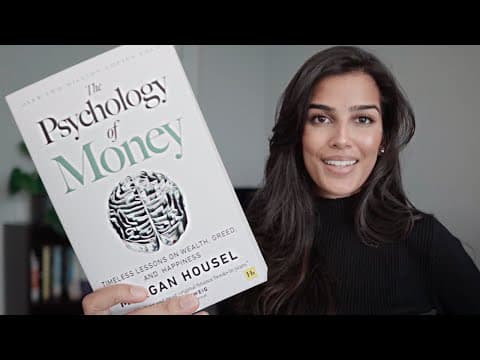
This blog post explores five key emotional traps related to money management as outlined in The Psychology of Money, emphasizing the importance of understanding the emotional costs of investing, the role of chance in financial success, the distinction between being rich and wealthy, the value of using money for control and options, and the need for balance in the pursuit of wealth.
Money is often viewed as a purely financial topic, but it is deeply intertwined with our emotions. Understanding how these emotions influence our financial decisions can help us avoid common pitfalls. In this post, we will explore five significant emotional traps highlighted in The Psychology of Money and how to navigate them effectively.
One of the most crucial lessons is recognizing that everything comes at a price. This price can be monetary or emotional, encompassing feelings like fear, doubt, and stress. In investing, the cost is not just the amount spent on stocks but also the emotional volatility that accompanies market fluctuations.
For instance, if you invested in an S&P 500 Index Fund in the 1980s, you would have experienced periods where your portfolio was down significantly. It took patience and resilience to endure these downturns before reaping the benefits of compounded returns. Good investing is not about chasing the highest returns but about finding consistent, manageable results over time.
Chance plays a more significant role in financial success than many realize. Factors such as upbringing, ethnicity, gender, and geographical location can heavily influence outcomes. Many people mistakenly believe that they can replicate the success of others without considering the role of luck.
For example, Bill Gates' success is often attributed to his intelligence and hard work. However, he also had the unique opportunity to attend a high school with a computer, a rare advantage at the time. Instead of focusing solely on individual success stories, it is essential to analyze broader patterns and circumstances that contribute to financial achievements.
Society often equates wealth with visible signs of affluence, such as luxury items and high incomes. However, true wealth is often invisible, represented by savings and investments that are not immediately apparent. This confusion can lead to poor financial decisions based on social validation.
Understanding the difference between being rich and being wealthy is vital. Rich individuals may spend lavishly, while wealthy individuals prioritize saving and investing. By learning the habits of wealthy individuals, one can avoid unnecessary expenditures and focus on building lasting wealth.
Money should be viewed as a tool for gaining control over your life rather than merely a means to acquire luxury goods. Using money to buy time and options can lead to a more fulfilling life. This perspective emphasizes the importance of prioritizing experiences and relationships over material possessions.
By focusing on what truly brings happiness and fulfillment, individuals can make more informed financial decisions that align with their long-term goals. Sacrificing short-term pleasures for greater control over one’s life can lead to lasting satisfaction.
In the pursuit of wealth, it is easy to become overwhelmed by conflicting messages about money management. On one hand, there are calls to live frugally and save diligently; on the other, there are temptations to spend freely and enjoy life. This dichotomy can lead to confusion and poor decision-making.
Research shows that beyond a certain income level, the returns on personal life satisfaction diminish. It is crucial to recognize when enough is enough and to find a balance between accumulating wealth and preserving what truly matters, such as health and relationships.
The lessons from The Psychology of Money serve as a reminder of the emotional complexities surrounding financial decisions. By being aware of these emotional traps, individuals can make more informed choices that align with their values and long-term goals. Reflecting on these lessons can help you identify any emotional triggers that may be influencing your financial behavior and guide you toward a healthier relationship with money.