The tragic shooting of Renee Nicole Good by ICE agents in Minneapolis sparked widespread online discourse, which was heavily manipulated by foreign actors and inauthentic profiles to spread disinformation and deepen national divisions. Analysis reveals that about a quarter of interactions on key phrases related to the incident were from fake or adversarial accounts aiming to provoke anger and conflict.
On January 7th, 2025, Renee Nicole Good was fatally shot by Immigration and Customs Enforcement (ICE) agents in Minneapolis, Minnesota. The incident, captured in a roughly 4 1/2 minute video, shows a woman in a red minivan surrounded by ICE agents. When she attempts to drive away, an ICE officer opens fire. The legality and morality of the shooting remain subjects of debate, but this article focuses on the disinformation and manipulation that followed the event online.
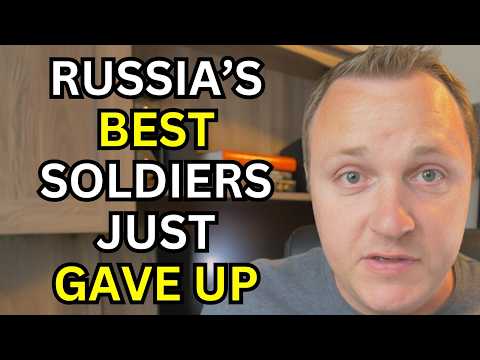
Ryan McBeth, a software engineer and intelligence analyst specializing in cyber intelligence and information warfare, conducted an analysis of the online discourse surrounding the incident. His expertise lies in understanding how adversaries use events like this to conduct information warfare, rather than legal or law enforcement perspectives.
McBeth identified five key phrases commonly used in tweets about the incident:
Using Cyabra social media threat detection software, McBeth analyzed these phrases to uncover patterns of disinformation and inauthentic activity.
The analysis highlights that foreign adversaries exploit emotionally charged events like this to deepen divisions within the United States. Their goal is to provoke anger and conflict among citizens. Meanwhile, social media platforms prioritize engagement and profit, often ignoring the spread of disinformation as long as users remain active.
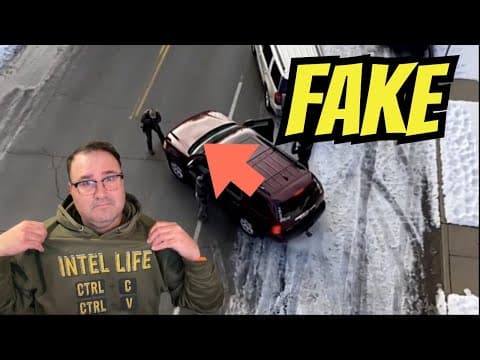
An example of AI's role in this incident is an AI-generated image posted by the account @ScummyMummy511. This image was likely created to mislead viewers into believing the ICE officer was directly in front of the minivan, supporting the narrative that the officer's life was in danger. This image was shared by influential users, including known internet troll Gunther Eagleman (David Freeman), illustrating how quickly misinformation can spread.
The analysis reveals that roughly 26% of interactions related to these five key phrases were from inauthentic or adversarial accounts. This means that a significant portion of the online conversation was manipulated by foreign actors or bots designed to inflame emotions and deepen societal divisions.
The real battle following violent and emotionally charged events like the shooting of Renee Nicole Good is not about justice or truth but about who can provoke the most anger and conflict online. These manipulations aim to sway opinions, create division, and generate profit for social media platforms.
Before sharing or reacting to viral posts, it is crucial to ask: Who benefits if I believe this immediately? Recognizing the presence of disinformation can help individuals navigate the complex information landscape and avoid being manipulated.
The Renee Nicole Good incident is a tragic event that has been weaponized in the information space by foreign actors and inauthentic profiles. Understanding the tactics used in this information warfare is essential for fostering informed and critical engagement with online content.
Thank you for reading this analysis. For those interested in further insights on intelligence and information warfare, consider supporting analysts who work to uncover these manipulations.