
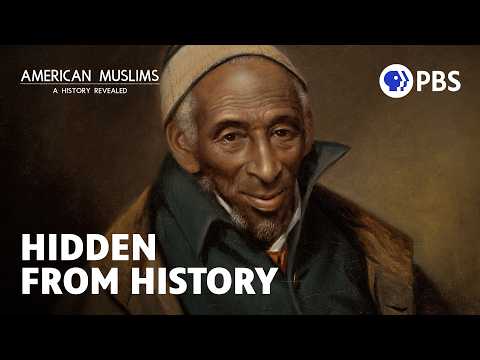
The story of Mamadou Yarrow, a Muslim enslaved man who gained his freedom and became a landowner in early America, highlights the significant yet often overlooked contributions of African Muslims to American history. Yarrow's life, documented through portraits and diaries, reveals the rich cultural heritage and resilience of Muslims in the United States long before the nation was founded.
This blog post explores the remarkable story of Mamadou Yarrow, an enslaved Muslim man who was brought to America and eventually gained his freedom. His life not only sheds light on the presence of Muslims in early America but also highlights the cultural and historical contributions of African Muslims to the nation.
Mamadou Yarrow was a Muslim man who was painted in 1819 by Charles Willson Peale, a renowned portrait artist known for his depictions of American leaders. The attention given to Yarrow, a formerly enslaved Black man, is significant and rare, as it reflects a deeper narrative of African Muslims in America that has largely been forgotten.
Many people are unaware that between 10 to 30 percent of enslaved Africans brought to the Americas came from Muslim regions of West Africa. Yarrow's story is part of a larger narrative that predates the founding of the United States, revealing that thousands of Muslims were enslaved and contributed to the social, cultural, and economic development of the Americas.
Yarrow's life began in a region rich in Islamic culture and education. He was likely born into the Fulani ethnic group, known for their Islamic scholarship and practices. However, around 1750, Yarrow and his sister were captured and sold to British slave traders, marking the beginning of a harrowing journey that would lead them to America.
Yarrow and his sister survived the brutal Middle Passage, arriving in Annapolis, Maryland, in 1752. They were advertised for sale as property in local newspapers, a stark reminder of the dehumanizing nature of slavery. Yarrow was eventually enslaved on a tobacco plantation in Montgomery County, Maryland.
In the 1790s, Yarrow was brought to Georgetown, a modest port town at the time. He worked for the Beall family, where he was able to earn money through various trades, including making charcoal and bricks. His industriousness allowed him to save money and eventually gain his freedom in 1796 at the age of 60.
Yarrow's path to freedom was tied to his work ethic. He was promised freedom by his enslaver in exchange for making bricks for a new house. After the death of his enslaver, Yarrow's freedom was granted by the widow, allowing him to start anew. He became one of the first Black landowners in the DC area, purchasing property in Georgetown and establishing a family.
As a free man, Yarrow was known for his devout Islamic faith. He was recognized in the community for his sobriety and moral character, often seen singing praises to God. His adherence to Islamic practices, such as refusing pork and alcohol, showcased the resilience of African Muslims in maintaining their cultural identity despite the oppressive circumstances of slavery.
Yarrow's life was documented not only through Peale's portraits but also through various records and obituaries after his death in 1823. His story serves as a testament to the presence and contributions of Muslims in early America, challenging the narrative that often overlooks their significance.
In recent years, efforts have been made to rediscover Yarrow's story, including archaeological digs at his former residence. In 2015, a Janazah prayer was held for Yarrow, honoring his legacy and the history of Muslims in America. A plaque now commemorates his life on Dent Place, serving as a reminder of the rich tapestry of American history that includes the stories of Muslims.
Mamadou Yarrow's journey from slavery to freedom encapsulates the struggles and triumphs of African Muslims in America. His legacy is a powerful reminder of the diverse histories that shape our understanding of the nation. As we continue to uncover these stories, we honor the contributions of those who came before us and recognize the ongoing journey of Muslims in America.



















