
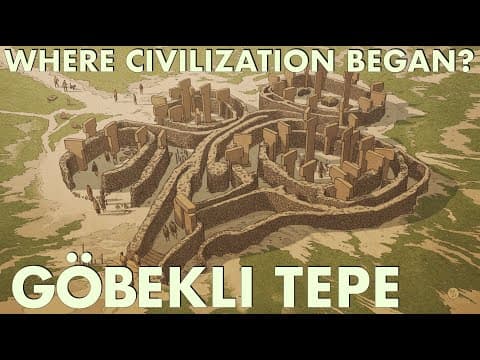
Göbekli Tepe, dating back over 10,000 years, is a monumental archaeological site in Turkey that challenges our understanding of early human civilization. This blog post explores its significance, the discoveries made, and the ongoing debates surrounding its purpose and the culture that built it.
Göbekli Tepe, often referred to as the first temple on Earth, is a site that has captivated archaeologists, historians, and enthusiasts alike since its rediscovery in the 1990s. This ancient site, located in southeastern Turkey, dates back over 10,000 years and is believed to have been a significant ceremonial center for prehistoric peoples. In this blog post, we will explore the history, significance, and ongoing mysteries surrounding Göbekli Tepe.
The site was largely forgotten until local farmers stumbled upon strange stone structures while clearing their land. Initial excavations revealed a series of massive T-shaped pillars arranged in circular enclosures, adorned with intricate carvings of animals and abstract symbols. Unlike other archaeological finds, such as Tutankhamun's tomb or the burial grounds of Ur, Göbekli Tepe presented a unique challenge due to the lack of written records and contemporary evidence.
Göbekli Tepe consists of approximately 20 megalithic enclosures, with some pillars standing over 5 meters high. The carvings on these pillars depict a variety of creatures, some of which are fantastical or nightmarish in appearance. The sheer scale and complexity of the site suggest that it was a place of great significance, possibly serving as a religious or ceremonial center for the hunter-gatherer societies of the time.
Recent discoveries of similar sites, such as Karahan Tepe and Navali Chori, indicate that Göbekli Tepe is part of a larger cultural phenomenon known as the Stone Hills complex. This suggests that the builders of Göbekli Tepe were not isolated but rather part of a broader network of prehistoric communities engaged in similar practices.
The age of Göbekli Tepe places it at the forefront of prehistoric archaeology, challenging previous notions about the development of human civilization. It predates the advent of agriculture, which raises questions about the social and cultural dynamics of the people who constructed it. Some theories propose that Göbekli Tepe served as a sanctuary for nomadic groups transitioning to a more settled lifestyle, while others suggest it was a site for communal gatherings and rituals.
The absence of domestic artifacts at Göbekli Tepe suggests that it was not a residential site but rather a place for ritualistic activities. The discovery of large quantities of animal remains, primarily from wild species, indicates that feasting and ceremonial practices were integral to the site's function. This aligns with theories that propose the importance of ritual in the development of early agricultural societies.
As of 2021, less than 5% of Göbekli Tepe has been excavated, leaving much of its secrets buried beneath the earth. Archaeologists continue to employ cutting-edge techniques to uncover more about the site and its builders. Each season of excavation brings new insights, further complicating our understanding of the transition from hunter-gatherer societies to settled agricultural communities.
Scholars have proposed various theories regarding the purpose of Göbekli Tepe. Some suggest it was a pilgrimage site where people gathered for festivals, while others argue it served as a temple dedicated to ancient deities or ancestral spirits. The intricate carvings and monumental architecture imply a sophisticated belief system that may have influenced the development of later religious practices.
Göbekli Tepe remains one of the most significant archaeological discoveries of our time, reshaping our understanding of early human civilization. As excavations continue and new technologies emerge, we may yet unlock the mysteries of this ancient site. The questions surrounding its purpose, the culture that built it, and its role in the transition to agriculture continue to inspire research and debate, ensuring that Göbekli Tepe will remain a focal point in the study of human history for years to come.



















