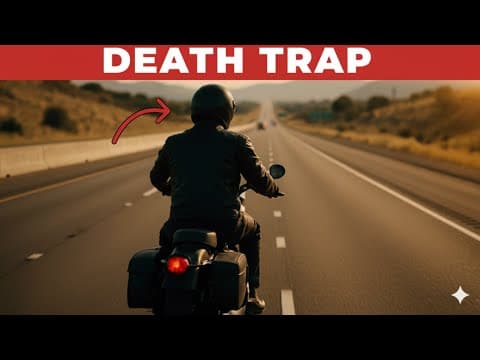
Long motorcycle trips present hidden challenges that can threaten safety and enjoyment. From highway hypnosis to physical fatigue and isolation, riders must prepare for these issues. Understanding hydration, mental health, and gear reliability is crucial for a successful journey.
Every rider dreams of the open road, but the real threats on long motorcycle trips often go unmentioned. While social media showcases the thrill of the ride, it rarely highlights the hidden battles that can arise during journeys measured in thousands of miles. This blog post explores the challenges riders face, including mental fatigue, physical discomfort, and unexpected weather conditions, and offers strategies for preparation and survival.
One of the most significant hidden dangers on long rides is highway hypnosis. After just 20 minutes on a straight stretch of road, a rider's brain can slip into autopilot, reducing awareness and reaction time. Studies indicate that this phenomenon can occur even for experienced riders, leading to potentially dangerous situations.
Micro sleeps, brief moments where the brain checks out completely, pose another risk. At speeds of 65 mph, a rider can travel over 280 feet without control during these episodes. One Iron Butt veteran recounted a near miss after nodding off for a split second, only realizing it when his bike drifted toward the rumble strip. To combat this, riders are encouraged to follow the 4515 rule: ride for 45 minutes and then take a 15-minute break to reset.
Mental fatigue can set in long before physical discomfort arises. Riders must actively defend their focus to ensure safety. Techniques such as changing music, chewing gum, or setting alarms for breaks can help maintain alertness. However, the risk of mental drain remains a constant threat.
Saddle soreness is more than just an annoyance; it can lead to serious issues if ignored. After hours of riding, pressure points can cause numbness, which is a warning sign of reduced blood flow. Riders who push through this discomfort may find themselves weak and unsteady at gas stops.
Moreover, studies show that 84% of riders exhibit signs of fatigue in the muscles that stabilize their wrists and fingers. As these muscles tire, the risk of slower reaction times increases, which can be dangerous in critical situations.
Dehydration is another hidden enemy on long rides. Wind and sun can quickly sap moisture from the body, leading to headaches, muscle cramps, and blurred vision. Many experienced riders recommend using hydration packs with bite valves for easy sipping while riding. Adding electrolyte powder to water can also help combat fatigue.
Riding alone for extended periods can lead to a unique form of mental fatigue. Initially, the silence may feel liberating, but as the miles accumulate, a sense of loneliness can creep in. Some riders report talking to their bikes or narrating their thoughts just to hear a voice.
To combat this, experienced solo riders suggest scheduling regular check-ins with friends or family, joining online groups, or planning meet-ups with local riders. Building in ways to reconnect, no matter how small, can be crucial for mental well-being on long trips.
Mountain passes, such as Beartooth Pass in Montana, can present unexpected weather challenges. As riders ascend, temperatures can drop rapidly, and conditions can change from sunny to snowy in minutes. Riders must be prepared for these shifts by packing extra layers and waterproof gear, even in summer.
Rain poses its own set of dangers. The first 10 minutes of rain can create slick road conditions as oil and debris rise to the surface. This is when most accidents occur, as the friction between tires and pavement can drop significantly. Riders should be aware that their gear can also fail; waterproof clothing may lose its effectiveness after a few years of use.
Riders often overlook the reliability of their gear. Zippers can jam, tire repair kits can dry out, and GPS devices can malfunction. Regular maintenance checks before a trip are essential to ensure that all equipment is functional.
Bluetooth headsets and phone signals can be lifelines, but they can also fail unexpectedly. Riders should carry backup communication methods, such as printed route cards and emergency contact lists, to ensure they can reach help if needed.
Riders often face unexpected expenses on the road. Remote fuel stops can charge significantly more than expected, and roadside assistance may not cover the full cost of a tow. To mitigate these risks, experienced riders recommend budgeting an additional 30% on top of expected trip costs to account for emergencies.
Long-distance motorcycle travel presents numerous hidden challenges that require constant vigilance and preparation. From mental fatigue and physical discomfort to unpredictable weather and gear reliability, riders must respect both their internal limits and external threats. By understanding these challenges and preparing accordingly, riders can enhance their safety and enjoyment on the open road. Every mile traveled is earned, and every challenge faced leaves a lasting impression on the journey.