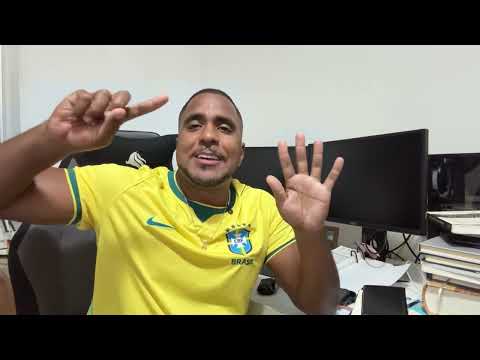
Tony Chinny's wrestling career faced significant challenges after a mental disorder diagnosis and conflicts with fellow wrestler David. Despite apologies, unresolved issues and missed opportunities have deeply affected Tony's professional path and personal well-being, highlighting the complex interplay between mental health and career in the wrestling industry.
Tony Chinny, a prominent figure in the wrestling world, recently underwent a psychological evaluation required to continue his business and career. This evaluation revealed deeper issues affecting his professional and personal life, particularly involving conflicts with fellow wrestler David and the impact of a mental disorder diagnosis.
Tony was brought in for a psych evaluation, a necessary step to ensure his fitness to continue in his wrestling career. The evaluation was conducted with care to avoid any conflicts of interest, especially considering the involvement of HR personnel who had personal connections with Tony.
Dr. Tanner Philson, the evaluating psychologist, engaged Tony in a candid conversation to understand the root causes of his distress. Despite their history of professional clashes, Dr. Philson noticed that something was significantly troubling Tony.
Tony opened up about the challenges he faced, particularly focusing on his strained relationship with David, a fellow wrestler. Months prior, David had made decisions that severely impacted Tony's career trajectory:
Tony expressed frustration that David had been avoiding him for months, exacerbating the tension between them.
Dr. Philson acknowledged that David had apologized to Tony, but Tony felt that words alone were insufficient. He emphasized that despite the apology, David had not taken meaningful actions to rectify the situation or support Tony's career recovery.
Further disappointments included:
These incidents contributed to Tony's growing sense of frustration and mental strain.
The psychological evaluation highlighted that Tony's mental health struggles were intertwined with his professional setbacks. The stress from conflicts, missed opportunities, and the uncertainty about his career future had taken a toll on his well-being.
Tony's situation underscores the importance of addressing mental health openly within the wrestling industry, where physical and psychological demands are intense.
Tony Chinny's story is a compelling example of how mental health issues and professional conflicts can dramatically alter an athlete's career path. His experience with David and the subsequent mental health evaluation reveal the complexities athletes face beyond the ring.
This case calls for greater awareness and support systems for wrestlers dealing with mental health challenges, ensuring their careers and well-being are protected and nurtured.
As Tony continues his journey, the wrestling community watches closely, hoping for reconciliation, recovery, and a renewed path forward for one of its notable talents. His story serves as a reminder that behind every athlete is a human being facing battles both visible and unseen.