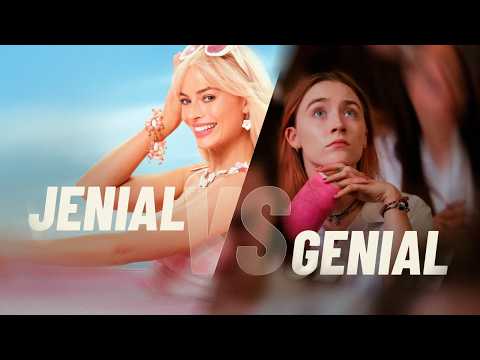
This article explores the stark narrative differences in Greta Gerwig's films Barbie and Lady Bird, focusing on how each film addresses themes of womanhood and maturity. While Lady Bird offers a nuanced, subtle portrayal of female adolescence, Barbie presents an overt, didactic narrative. The comparison highlights the impact of storytelling style on conveying complex themes about women's roles in society.
Greta Gerwig, one of the most acclaimed directors of our time, has created films that explore the female experience in unique ways. Known for works like Lady Bird and Little Women, Gerwig's storytelling often delves into the complexities of womanhood. However, her film Barbie presents a starkly different narrative style compared to her earlier works. This article examines the vast narrative gap between Barbie and Lady Bird, focusing on how Gerwig approaches similar themes through very different cinematic techniques.
The discussion begins with a personal note from a parent whose young daughter loves Barbie dolls. The parent expresses concern about the upcoming live-action Barbie film and its portrayal of femininity, especially given the daughter's young age and the rapid passage of time until she reaches adulthood. This sets the stage for a deeper analysis of the film's messaging.
There are two sides to Greta Gerwig's directorial style:
Both films explore themes of womanhood and maturation, but their narrative approaches differ dramatically.
Barbie is described as a film that is not only about a stereotyped character but is itself stereotyped in its storytelling. The film is extremely explicit, explaining its themes in minute detail as if delivering a lecture within a colorful, magical world.
For example, in one scene, everything stops — the music, the characters — to declare the theme explicitly: a contemplation of death and the journey of a naive Barbie towards womanhood. The film uses direct speeches and monologues to articulate the challenges women face, listing societal expectations and contradictions in a long, articulate discourse.
This approach is likened to a TED Talk, where the character Gloria lists the difficulties women endure under patriarchy, such as the pressure to be thin but not too thin, to be successful but not cruel, to be a mother but not overly focused on children, and to navigate the complex social expectations placed on women.
However, this method is criticized for lacking naturalness and emotional depth. The speech feels rehearsed and unnatural, as no one speaks this way in real life. It is seen as an inefficient way to communicate such complex themes because it lacks subtext and nuance, which could evoke stronger emotional responses.
In contrast, Lady Bird presents a more subtle and emotionally resonant narrative. The film follows a teenage girl, Christine (who prefers to be called Lady Bird), navigating her relationship with her mother and her own journey towards adulthood.
Themes of maturation and existential contemplation are present but are conveyed through actions and interactions rather than explicit dialogue. For instance, Lady Bird's frustration with her mother culminates in a dramatic moment where she throws herself out of a moving car, a scene that is both iconic and emotionally charged.
The film captures the complexity of mother-daughter relationships and the struggles of adolescence without spelling everything out. The tension, love, and rebellion are shown through nuanced performances and realistic dialogue, allowing viewers to engage deeply with the characters' experiences.
Despite both films addressing the place of women in society, the narrative gap between Barbie and Lady Bird is described as an abyss. Lady Bird uses subtlety, emotional depth, and natural dialogue to explore its themes, while Barbie opts for explicit, didactic storytelling that feels more like a lecture than a lived experience.
This difference is so pronounced that it inspired a detailed scene-by-scene comparison to highlight how the same themes can be approached in vastly different ways.
The article emphasizes that the way a story is told significantly affects its emotional impact and authenticity. While Barbie attempts to address important issues about womanhood and societal expectations, its overt style may alienate viewers or reduce the complexity of these issues to simplistic statements.
On the other hand, Lady Bird's approach allows for a more genuine exploration of the female experience, resonating with audiences through its realism and emotional honesty.
Greta Gerwig's films offer contrasting approaches to similar themes about women and maturity. Lady Bird stands out for its nuanced, subtle storytelling that captures the complexities of adolescence and mother-daughter relationships. In contrast, Barbie presents a more explicit, didactic narrative that, while well-intentioned, may lack the emotional depth and naturalism that characterize Gerwig's best work.
This comparison invites viewers and critics alike to reflect on how storytelling techniques influence the portrayal of important social themes and the audience's connection to them.
As Gerwig continues her career, including upcoming projects like The Chronicles of Narnia for Netflix, audiences remain curious about which narrative style she will embrace. Will she continue with the subtle genius of Lady Bird or the more overt approach seen in Barbie? Only time will tell.
The discussion also serves as a reminder of the importance of thoughtful storytelling, especially when addressing complex issues like gender roles and societal expectations.
This analysis underscores the power of cinema to shape perceptions and the responsibility filmmakers have in crafting narratives that resonate authentically with their audiences.