The recent mass shooting at a Canadian school resulted in 10 deaths and 25 injuries. Media coverage quickly shifted focus from the victims to the shooter's gender identity, with officials and outlets using gender-neutral or female pronouns despite the shooter being biologically male. This pattern mirrors previous incidents where media obscures facts to align with ideological narratives, raising concerns about bias and the marginalization of victims.
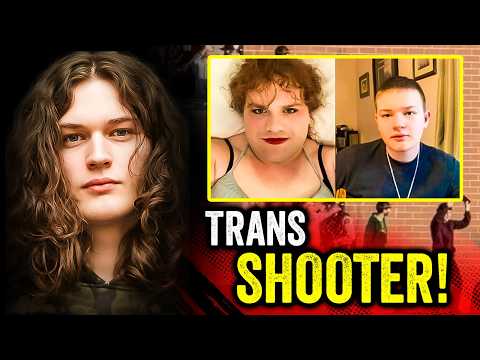
A tragic mass shooting occurred at Tumbler Ridge Secondary School in British Columbia, Canada, resulting in 10 deaths and 25 injuries. The shooter, identified as Jesse van Ruitzelaar, was an 18-year-old biological male with a documented history of serious mental health issues and psychiatric care. The shooter was later found dead from a self-inflicted gunshot wound alongside two additional victims.
Within hours of the shooting, the media narrative shifted away from the victims and the tragedy itself to focus on the shooter's gender identity and the pronouns used to describe him. Van Ruitzelaar identified as transgender and appeared at the scene wearing a dress. This led to significant confusion and controversy in the media coverage.
The Royal Canadian Mounted Police (RCMP) initially referred to the shooter as a "gun person" rather than the more common "gunman." They also described the suspect as a female wearing a dress, despite knowing the shooter was biologically male. Major news outlets such as the New York Times, Washington Post, and Associated Press followed suit, using female pronouns and describing van Ruitzelaar as a woman.
Canadian media, including the CBC, avoided calling the shooter a "gunman," instead opting for terms like "gun person." They also refrained from confirming details about the shooting, such as the number of weapons used or the exact circumstances of the victims' injuries, emphasizing caution in language to avoid misgendering.
This pattern of media behavior is not unique to this incident. A similar case occurred in Nashville in 2023, when Audrey Hale, a biological female identifying as male, killed six people at a Christian school. The FBI suppressed Hale's manifesto for two years, and the media focused more on pronouns and identity politics than on investigating the motive, which was racial and religious in nature.
The media also attempted to blame external factors, such as alleged transphobia from conservative outlets, for the shooting, rather than addressing the shooter's motives or mental health.
The recurring pattern in media coverage of shootings involving transgender individuals includes:
This approach often results in the trans community being portrayed as victims, while the actual victims of the shootings are marginalized or ignored, especially if they belong to majority groups such as white Christians.
The media tends to frame shootings differently based on the shooter's identity:
This asymmetry reveals a bias in how violence is reported and discussed, often protecting certain groups from scrutiny while vilifying others.
The legacy media is described as adhering to "Progressive Realism," an ideology that views left-wing groups as inherently on the right side of history and right-wing groups as on the wrong side. This ideology influences how crimes are reported:
This results in media efforts to bury or distract from violent acts committed by left-wing individuals, including transgender shooters.
The coverage of the Canadian school shooting reveals significant ideological bias in the media's handling of sensitive issues involving gender identity and violence. By focusing on pronouns and identity politics rather than the victims and motives, the media risks marginalizing the true impact of such tragedies. This pattern raises important questions about journalistic integrity, the influence of ideology on reporting, and the need for balanced, fact-based coverage that respects all victims and addresses the root causes of violence.
Understanding these dynamics is crucial for readers seeking to navigate media narratives critically and advocate for responsible journalism that prioritizes truth and empathy over ideology.