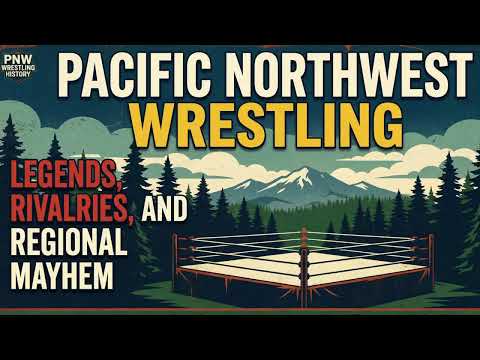
Portland wrestling was a unique and long-lasting wrestling territory in the U.S., thriving not through big arenas or national TV deals but through a loyal fan base, a consistent weekly schedule, and a focus on believable wrestling and storytelling. Centered around the Portland Sports Arena and owned by Don Owen, the territory maintained an intimate atmosphere and a simple yet effective booking philosophy until 1991.
Portland wrestling was one of the most unique and longest-lasting wrestling territories in the United States. Unlike many other wrestling promotions that relied on giant arenas or national television deals, Portland wrestling survived and thrived because of routine loyalty and a weekly system that remained consistent over the years.
Everything in Portland wrestling centered around one building: the Portland Sports Arena. This venue was the heart of the operation. Don Owen, the promoter, owned the building outright, which gave him significant advantages. There were no rent costs, no union fees, and no competition for dates. This ownership allowed him to run shows as often as he wanted, and he took full advantage of this freedom.
The Portland Sports Arena could hold around 4,000 people at maximum capacity. However, for television tapings, the attendance usually ranged between 2,500 and 3,000. The arena was gritty, loud, and intimate, creating an atmosphere that made wrestling feel real. Fans were close to the ring, the ceilings were low, and the energy was electric.
Every Saturday night, the Portland Sports Arena transformed into a television studio for the weekly TV taping on KPTV channel 12. The show was taped live and aired later that same night. The format was always consistent:
Sandy Bar served as the referee, and wrestlers cut promos from the crow's nest. These promos built the stories for the upcoming week. Saturday Night TV was the hook that kept fans coming back week after week.
Three days later, on Tuesday night, the Sports Arena opened again for the House show. Unlike Saturday, this event was not taped for television. It featured a full wrestling card with five to seven matches, longer bouts, cleaner finishes, and rematches that fans wanted to see after watching the Saturday taping. Tuesday nights were where wrestlers made their money and where feuds intensified. If Saturday created the story, Tuesday delivered the payoff.
After the Tuesday show, the wrestlers hit the road for the rest of the week:
These smaller towns formed the backbone of the territory. They did not require television exposure but demanded believable wrestling and strong storytelling.
Sunday: Flexible schedule. Some weeks featured a Sunday matinee at the Sports Arena, while other weeks involved traveling to special towns like Medford, Bend, Klamath Falls, or Dallas. Sunday shows provided bonus money and additional exposure.
Monday: The dark day, reserved for travel and rest before the weekly loop started again.
The booking philosophy in Portland wrestling was straightforward:
Portland did not rely on complicated storylines. Instead, it focused on logic and psychology to engage the audience. The territory featured memorable characters and storylines such as Buddy Rose's army, Roddy Piper's fiery persona, Rick Martel's athleticism, Stan Stasiak's veteran presence, Dutch Savage's toughness, the Sheep Herders' chaos, Rip Oliver's clan, Billy Jack Haynes' intensity, and Curt Hennig's rise.
These characters and stories were built slowly and paid off weekly, creating a strong connection with the fans.
Portland wrestling's television style was intimate and authentic. The crowd was close to the action, camera angles were tight, and promos felt personal. Wrestlers spoke directly to the fans, and matches looked like real fights rather than staged performances. This approach made Portland wrestling feel like something fans were part of, not just something they watched from a distance.
Portland wrestling lasted until 1991, outliving most other wrestling territories that had folded by then. Its survival can be attributed to several key factors:
It was a territory built on routine, consistency, and heart. Portland wrestling never tried to be bigger than it was. Instead, it understood its audience and delivered quality wrestling every single week.
The story of Portland wrestling is a testament to how a simple, well-executed system can create a lasting legacy. With a promoter who understood his business, a legendary building, and a roster of talented wrestlers, the Pacific Northwest became one of the most respected wrestling regions in the country. Portland wrestling's success was not about grandeur but about loyalty, routine, and delivering believable, emotionally engaging wrestling that fans could connect with for decades.