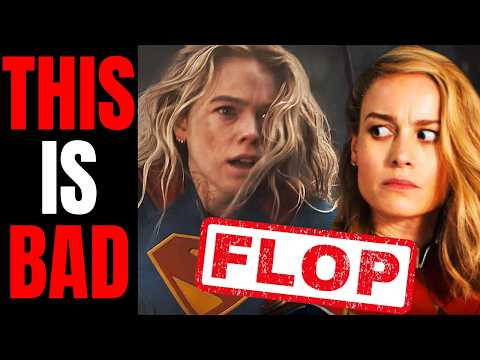
Rachel Zegler, once hailed as Hollywood's next big star after landing the lead in Spielberg's West Side Story, faced a rapid career decline due to a series of public relations missteps, controversial statements, and box office failures. Her outspoken nature and perceived arrogance alienated audiences and studios, turning her from a promising talent into a cautionary tale in the entertainment industry.
Rachel Zegler, once celebrated as a fresh face destined to conquer Hollywood, has recently become a polarizing figure in the entertainment industry. Despite her undeniable talent and early success, a combination of public controversies and box office disappointments has dramatically altered her career trajectory.
Born in New Jersey in 2001, Rachel Zegler boasts a unique blend of Colombian and Polish heritage, giving her a distinctive look that caught the industry's attention. From a young age, she was deeply involved in theater, starring in numerous local productions throughout her teenage years. Recognizing the limitations of local theater, she leveraged YouTube to showcase her powerful voice through high-quality covers of popular movie songs.
Her big break came in 2018 when legendary director Steven Spielberg sought a new Maria for his remake of West Side Story. Competing against over 30,000 hopefuls worldwide, Rachel secured the coveted role, marking a meteoric rise from a bedroom in New Jersey to a major Hollywood set.
West Side Story was critically acclaimed but failed commercially, becoming a box office disappointment. Despite this, Rachel's career seemed poised for greatness, having been endorsed by one of cinema's greatest figures. However, her journey soon revealed cracks beneath the surface.
Leading up to the 94th Academy Awards, Rachel's name was conspicuously absent from the initial guest list, despite being the face of a Best Picture nominee. Instead of handling the situation privately through her agent, she took to social media to publicly express her disappointment. This move was seen as manipulative, forcing the Academy's hand to not only find her a seat but also give her a presenting role. While some fans applauded her assertiveness, industry insiders viewed it as an arrogant display of entitlement.
Rachel landed a supporting role in Shazam: Fury of the Gods, a typical "bridge role" meant to keep her visible while awaiting more significant projects. During the film's press tour, she candidly admitted she took the role simply because she needed a job amid the pandemic. This blunt honesty was perceived as disrespectful to the film and its crew, further damaging her public image. The movie's subsequent box office failure compounded her streak of commercial flops.
In 2021, Rachel was cast as the lead in Disney's live-action Snow White, a role that should have been a career-defining opportunity. Disney positioned her as the face of a new generation, embodying diversity and confidence. However, Rachel's promotional interviews sparked widespread backlash. She dismissed the original 1937 classic as outdated and sexist, referred to the prince as a stalker, and emphasized that the new film would not focus on true love but rather on Snow White's journey to leadership.
Her comments came across as arrogant and ungrateful, alienating fans who cherished the original story. The public's patience for Hollywood's moralizing had worn thin, and Rachel became a lightning rod for criticism against modern movie remakes.
Disney responded by delaying the film's release by a year and orchestrating a carefully managed apology tour for Rachel. For a brief period, her performance in the Hunger Games prequel was well-received, suggesting a possible comeback.
The release of the first Snow White trailer in August 2024 reignited the controversy, becoming one of the most disliked videos on YouTube. Instead of retreating, Rachel further fueled the fire by posting about the Israel-Palestine conflict, a complex geopolitical issue far beyond her expertise. Despite Disney's attempts to intervene, including a personal appeal from producer Mark Platt, Rachel refused to retract her statements.
This series of events branded her as a "toxic asset" in Hollywood—someone whose presence on a project could do more harm than good. Studios ceased offering her major roles, and casting directors became wary of associating with her.
Rachel has since returned to her theatrical roots, taking a role in a West End production of Evita. However, reports indicate lackluster ticket sales and a public still hesitant to forgive her past actions.
Her story serves as a cautionary tale about the importance of humility, gratitude, and understanding one's audience in the entertainment industry. Talent alone is not enough; maintaining a positive public image and respecting the fans who support you are crucial for sustained success.
Rachel Zegler's journey from a promising newcomer to a controversial figure underscores the volatile nature of fame in the digital age. While her vocal talent remains undeniable, her career has been marred by a series of strategic errors and public relations crises. The entertainment world watches closely as she attempts to rebuild her reputation, reminding aspiring actors that the audience's favor is both precious and fragile.