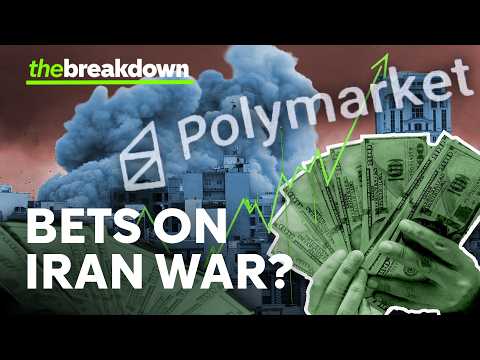
Prediction markets like Poly Markets have surged in popularity, with millions wagered on events related to the Iran war. These platforms allow anonymous cryptocurrency bets on real-world events, including military strikes and political outcomes. Concerns about insider trading and ethical implications have arisen, as some bettors appear to have privileged information. Despite legal gray areas, these markets are seen as accurate predictors but raise significant regulatory and moral questions.
Recently, a single account reportedly made half a million dollars by betting on the timing of a U.S. strike on Iran. This has brought to light the growing phenomenon of prediction markets, where millions of dollars are wagered on real-world events, including geopolitical conflicts like the Iran war. This article explores who is profiting from these markets, how they operate, and the ethical and legal concerns surrounding them.
Prediction markets are platforms where users can place bets on the outcomes of various real-world events. Unlike traditional gambling on sports or lotteries, these markets focus on forecasting political events, award shows, elections, and even military actions.
One of the largest platforms in this space is Poly Markets, which claims to be the world's largest prediction market. Users can bet using cryptocurrency, and the platform operates outside the United States, allowing for anonymous participation.
The Iran war has become a focal point for prediction markets. Over $500 million has been wagered on when America would strike Iran. For example, an account named "Magga Man" made over half a million dollars by betting that Iran's Supreme Leader Ali Kam would be ousted just hours before a surprise air strike killed him.
This strike plunged Iran into conflict with America and Israel, resulting in hundreds of casualties and widespread explosions across the Middle East.
The rapid and accurate bets placed on these markets have raised suspicions of insider trading. Some governments believe that bets were placed by insiders who had prior knowledge of military actions.
Experts and lawmakers have expressed concern that these markets have become a "cesspool of insider trading," where privileged information is exploited for financial gain. The anonymity provided by cryptocurrency transactions makes it difficult to police these activities.
Unlike heavily regulated sports betting, prediction markets exist in a legal gray area. The U.S. government currently treats them more like investment or trading platforms, which are subject to looser regulations.
Poly Markets is based outside the U.S. and uses cryptocurrency, which complicates regulatory oversight. Another platform, Koshi, is U.S.-based and claims to be regulated with no betting on death.
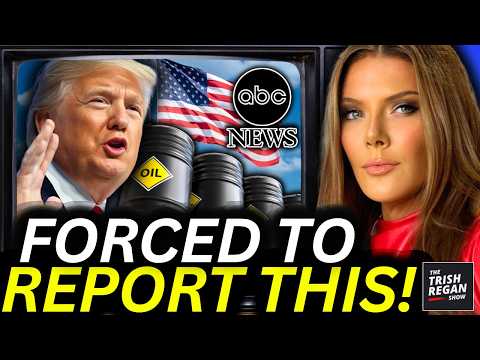
Interestingly, Donald Trump Jr. has invested millions into Poly Markets through his company and serves as an adviser, highlighting the growing mainstream interest in these platforms.
Guardian writer Neo has investigated Poly Markets and uncovered several suspicious betting patterns. For instance, a user with multiple accounts bet over $150,000 on Israel's military strikes in Iran, placing most bets within five hours of the actual strikes.
Further blockchain analysis traced this user to a kibbutz in northern Israel, and Israeli authorities identified an IDF soldier working with a civilian involved in these bets.
Other cases include bets on the exact date of meetings between political figures, with some accounts potentially based in Ukraine.
The anonymity and financial incentives create a risk that individuals with classified information might profit from these markets. Moreover, the act of betting itself could influence decision-making, potentially affecting diplomacy and military actions.
The CEO of Poly Markets, Shane Copelan, acknowledges the inevitability of insider information entering these markets but also highlights potential benefits. He envisions a future where warring countries might use prediction markets to gauge their opponents' plans.
Prediction markets have a track record of accurately forecasting political events. For example, Poly Markets predicted Donald Trump's 2024 election win before polls reflected this outcome.
These markets encourage participants to "put their money where their mouth is," potentially reducing bias by having skin in the game.
However, due to the sensitive nature of Middle East conflicts, Poly Markets recently added disclaimers to related markets, emphasizing the value of these platforms as sources of immediate information for those affected by the attacks.
Prediction markets like Poly Markets are reshaping how people engage with and profit from real-world events, including wars. While they offer potentially accurate forecasts and immediate information, they also raise serious concerns about insider trading, ethical boundaries, and the influence of anonymous bets on global diplomacy.
As these platforms continue to grow, regulators, governments, and society will need to address the complex challenges they present to ensure fairness, legality, and morality in this new frontier of prediction and profit.
This comprehensive overview highlights the rise of secret gamblers making millions from the Iran war through prediction markets, the legal and ethical dilemmas involved, and the potential future impact on global affairs.