The $110 billion merger of Paramount, CBS, and Warner Brothers Discovery is set to reshape CNN and CBS News, potentially introducing more conservative viewpoints under new leadership like Barry Weiss. This consolidation reflects broader media industry challenges, including declining viewership, layoffs, and the struggle to balance political perspectives amid changing audience demands.
A recent $110 billion merger involving Paramount, CBS, and Warner Brothers Discovery is poised to significantly alter the media landscape, particularly affecting CNN, a network known for its left-leaning stance. This consolidation has sparked concern and debate, especially from former CNN host Jimmy Acasta, who fears the network may shift towards conservative viewpoints under new ownership.
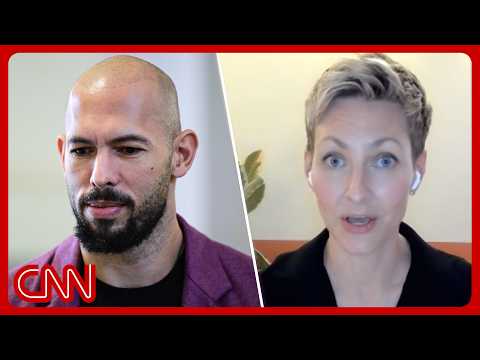
Jimmy Acasta, a former CNN host, has expressed panic over the possibility that conservatives might gain influence at CNN following the merger. He appeared on a podcast ranting about the potential conservative takeover, highlighting his discomfort with the idea of diverse political perspectives at the network.
He suggested that the White House might be pressuring networks to oust anchors they dislike, citing Donald Trump's recent Truth Social post listing anchors he claimed to have removed from various networks. Acasta warned that the merger could create a consolidated media giant with unprecedented influence, potentially aligned with conservative politics.
The media industry today is largely perceived as left-leaning, with major companies and Hollywood studios openly supporting Democratic figures like Kamala Harris. Fox News and Newsmax stand out as exceptions, catering to conservative audiences.
The merger threatens to disrupt this status quo by potentially introducing more conservative voices into mainstream media outlets like CNN and CBS News. This shift is unsettling for some, as it challenges the existing media narrative.
Barry Weiss, a right-of-center journalist known for advocating diverse opinions, has been appointed as a news ombudsman at CBS. She aims to revamp CBS News by incorporating a broader range of viewpoints. However, her efforts face significant challenges:
Weiss emphasizes the importance of having both sides represented to restore credibility and fairness in news reporting.
The merger has also led to turmoil at CBS's flagship program, 60 Minutes. Recent reports indicate:
A notable incident involved a 60 Minutes report on the El Salvadorian SECOP prison, which was delayed due to insufficient context and lack of administration comments. Barry Weiss insisted on holding the story until it met editorial standards, leading to internal conflict.
Traditional networks like CNN and CBS are struggling to maintain relevance and viewership. In contrast, newer media platforms and personalities are gaining traction by offering authenticity and diverse viewpoints. For example, the Trish Regan YouTube channel amassed 156 million views earlier this year, surpassing some network ratings.
This shift highlights a growing audience desire for realness and connection over polished but biased mainstream news.
The merger presents both challenges and opportunities:
However, resistance within newsrooms and entrenched audience preferences may slow progress. The media industry must adapt to changing consumer demands or risk further decline.
The $110 billion merger of Paramount, CBS, and Warner Brothers Discovery marks a pivotal moment for American media. It could introduce more conservative perspectives into traditionally left-leaning networks like CNN and CBS News, challenging the existing media paradigm. While this transition is met with apprehension by some former insiders, it also reflects broader shifts in audience preferences and the evolving nature of news consumption. The coming months will reveal how this consolidation reshapes the media landscape and influences public discourse in the United States.