The 2005 film Jarhead, praised for its introspective anti-war narrative and box office success, was later exploited by Universal Studios into a series of low-budget, direct-to-DVD sequels that abandoned the original's themes and quality. These sequels, including Jarhead 2, 3, and 4, failed critically and commercially, illustrating the pitfalls of turning a thoughtful film into a forgettable franchise.
In 2005, the anti-war drama Jarhead, starring Jake Gyllenhaal, was released to critical acclaim and box office success. The film was praised for its introspective narrative and honest portrayal of the emotional cost of war. However, what followed was an unusual and unfortunate turn: Universal Studios, recognizing the film's financial potential, transformed it into a franchise that failed to live up to the original's quality or message.
Jarhead was adapted from Anthony Swafford's book about his experiences in the desert during the Gulf War. Screenwriter William Broyles Jr. and director Sam Mendes crafted a slow-burning, introspective film that explored the emotional and psychological toll of modern warfare on soldiers.
The film's core message centered on the futility of ground combat in modern conflicts and critiqued the military-industrial complex's manipulation and dehumanization of young men through outdated, jingoistic recruitment tactics. The protagonist's journey highlighted the disconnect between the heroic ideal sold to recruits and the harsh realities of war.
Upon release, Jarhead opened to nearly $30 million in its first weekend and grossed just under $100 million worldwide. Its well-drawn characters and blisteringly honest depiction of wartime life resonated with audiences globally.
Despite the original film's success and thematic depth, Universal Studios decided to capitalize on the Jarhead name by producing sequels aimed at the booming direct-to-DVD market of the late 2000s and early 2010s. This business model involved creating low-cost, high-profit-margin sequels that leveraged brand recognition without the original's artistic ambition.
Nearly a decade after the original, Jarhead 2: Field of Fire was released. Featuring lesser-known actors, the film was a straightforward action movie, focusing on bomb defusal and combat scenes. It lacked the narrative subtlety, high-caliber acting, and thematic resonance of its predecessor. Instead, it embodied the very war exploitation tropes that the original film critiqued.
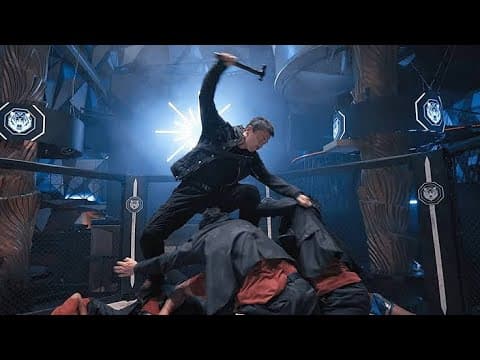
Released two years later, Jarhead 3: The Siege delved even deeper into grindhouse and exploitation territory. Starring Scott Atkins as Gunny Reigns, the film followed Marines defending a U.S. embassy under siege. The acting and production quality were notably poor, with awkward attempts at American accents and a lack of character development. The film was filled with excessive gunfire and action but lacked meaningful narrative or emotional depth.
The fourth installment starred Devon Sawa and Robert Patrick, portraying a joint mission between U.S. GIs and Israeli Defense Force commandos in Syria. The film suffered from heavy-handed exposition and questionable creative choices, such as a scene featuring Sawa riding a bike in flip-flops while delivering critical dialogue. This installment continued the trend of low-quality, exploitative filmmaking that strayed far from the original's intent.
The Jarhead sequels are part of a larger trend where studios mine successful films for recognizable titles to produce cheap sequels for the direct-to-DVD market. Similar examples include the Scorpion King spin-offs from The Mummy franchise, which featured wrestlers and bodybuilders in low-budget action films.
While these sequels often generate profit, they rarely achieve critical success or maintain the original's artistic standards. They serve as exploitation vehicles rather than meaningful continuations.
The Jarhead sequels missed an opportunity to build on the original's themes and quality. Unlike other franchises that managed to evolve and find new life—such as Fast and Furious: Tokyo Drift, which was initially intended as a direct-to-DVD release but was elevated to a theatrical film due to its quality—the Jarhead franchise failed to capture similar success.
The decline of physical media and the rise of streaming have altered the landscape for such low-budget sequels. While streaming platforms occasionally release similar films, they do not generate the same revenue or cultural impact as the direct-to-DVD market once did.
Jarhead was an unlikely candidate to spawn a franchise, yet it did. Unfortunately, the sequels failed to honor the original's introspective and critical examination of war, instead becoming forgettable exploitation films. The franchise's trajectory highlights the challenges and pitfalls of turning a thoughtful, critically acclaimed film into a low-budget series aimed primarily at profit.
As the industry evolves, the opportunity for young filmmakers to experiment within the safety of such franchises diminishes. Perhaps one day, Jarhead will receive a revival akin to Tokyo Drift, but until then, the franchise remains a cautionary tale about the consequences of prioritizing profit over artistic integrity.
What are your thoughts on the Jarhead sequels? Have you seen any direct-to-DVD sequels that surprised you with their quality or lack thereof? Share your favorite examples and opinions in the comments.