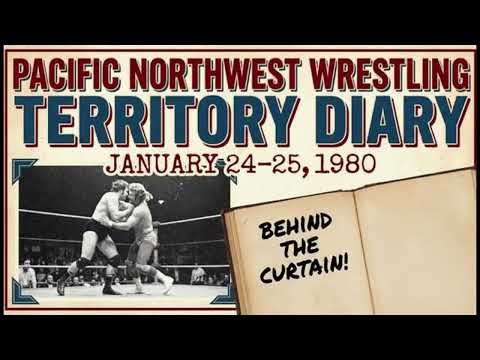
In January 1980, the Pacific Northwest wrestling territory experienced a slight dip in business due to uneven booking and frequent non-finishes, but matches like Buddy Rose vs. Stan Stay Zak demonstrated the power of storytelling and emotional engagement in professional wrestling. Despite limited footage, the era's matches remain a testament to wrestling's narrative strength.
Professional wrestling is more than just physical competition; it is a form of storytelling that builds emotion and delivers memorable moments to its audience. The Pacific Northwest wrestling territory in January 1980 exemplified this dynamic, even amid challenges such as uneven booking and a slight dip in business.
Unfortunately, much of the footage from this period has not survived, leaving only a few matches available for review. One notable exception is the match between Buddy Rose and Stan Stay Zak. While detailed step-by-step accounts are unavailable, the match is remembered for its quality and emotional intensity.
The match told a compelling story, building tension and culminating in real heat. After the bell, Buddy Rose continued to attack Stan Stay Zak by dropping knees into his back, which incited strong negative reactions from the crowd. This post-match aggression exemplified the storytelling power of professional wrestling, where actions inside and outside the ring contribute to the narrative.
The Pacific Northwest crew performed at the Grand Theater in Salem with a solid lineup:
Despite the strong card, business was down slightly in Salem. The territory remained strong overall, but a recent trend of disqualifications and non-finishes had cooled fan enthusiasm somewhat.
The following night, the crew moved to the Lane County Fairgrounds in Eugene, a venue known for reliable attendance. The results were:
This main event was a classic Pacific Northwest attraction, delivering a wild and engaging match that gave the crowd their money's worth. However, business was still down slightly, reflecting the ongoing impact of inconsistent booking.
The Pacific Northwest territory in early 1980 was healthy but faced challenges. Too many disqualifications and non-finishes led to nights where fans left without the payoff they desired. This uneven booking affected attendance and overall enthusiasm.
The lack of comprehensive footage from this era makes it difficult to fully appreciate all the matches and storylines. Nevertheless, the surviving matches and reports highlight the importance of storytelling and emotional engagement in professional wrestling.
The narrative of the Pacific Northwest wrestling scene continues with matches such as the January 26 bout between the Sheep Hurders and the team of Rody Piper and Rick Martell. Each match contributes to the evolving story, building on the drama and excitement that define professional wrestling.
The Pacific Northwest wrestling territory in January 1980 serves as a compelling example of how professional wrestling combines athleticism with storytelling to engage audiences. Despite some setbacks in booking and limited archival footage, the matches from this period, especially those involving Buddy Rose and Rody Piper, demonstrate the enduring appeal of wrestling narratives that build emotion and deliver memorable moments to fans.