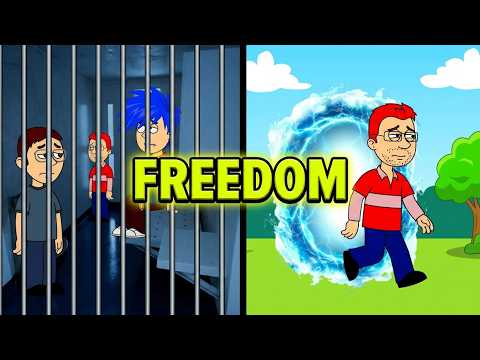
The DOTSQ theme tune is a powerful anthem that embodies the fight for freedom, the challenge to the status quo, and the courage to speak truth to power. Through vivid imagery and defiant lyrics, it portrays a collective resistance against oppression and the refusal to conform to deceptive narratives.
The theme tune of DOTSQ is more than just a song; it is a rallying cry for those who challenge the established order and fight for freedom. Its lyrics convey a deep sense of resistance against oppression and the courage to reveal hidden truths. This article explores the powerful messages embedded in the theme tune and how it resonates with listeners as an anthem of rebellion.
The song opens with a declaration: "We are the setters of the status quo." This line immediately positions the singers as agents of change, those who confront and redefine societal norms. It emphasizes a proactive stance against complacency and the forces that seek to maintain control.
The theme tune continues by highlighting the struggle for freedoms that "they don't want you to know." This suggests a battle against secrecy and manipulation by powerful entities who mask their true intentions. The imagery of masks on faces around the show symbolizes deception and the concealment of truth by those in power.
The lyrics describe the powerful as unwilling to relinquish control: "It's the powerful and baby they don't want to let go." This resistance sets the stage for a confrontation where the time has come "to blow out," signaling a decisive moment for change.
The song urges listeners to remain vigilant and unyielding: "So we never look up till the silence is virtual finger broken." This metaphor suggests breaking the silence imposed by oppression and refusing to be silenced.
A significant theme in the tune is the rejection of falsehoods and the embrace of truth. The line "We're not the ones who poison. Well, we're just the ones who finally learn to smell" conveys a refusal to be complicit in deceit and a newfound awareness that empowers resistance.
Promises made by the powerful are described as "platinum promises" that "start to fade up on a wall to call it a crown," indicating the hollow nature of such assurances and the eventual exposure of their emptiness.
The song emphasizes resilience with lines like "We're not flying. No, we're not backing down." This steadfastness in the face of adversity is a central message, encouraging listeners to stand firm and rewrite the rules.
The theme tune also addresses accusations and attempts to undermine the movement: "You don't want to show the rewrite the rules and accuse us of break it up. Stay with the fools." This highlights the challenges faced by those who dare to challenge the system.
As the song progresses, it speaks of the unraveling of the established order: "Till the whole thing unravels no more down full of gravel." This imagery suggests the collapse of false structures and the emergence of truth.
The refrain "We don't answer to you. You can hide but we tell you the truth" reinforces the theme of speaking out despite attempts to suppress dissent.
The theme tune concludes with a personal declaration of resistance: "I was before you in the cage. It's not okay, but I won't play your game." This line captures the internal struggle and the refusal to conform to oppressive systems.
The final lines, "Call me broken. I call it comp. You want me quiet, I'll sing it louder. We are the rebels of voices," celebrate the power of voice and the collective spirit of rebellion.
The DOTSQ theme tune is a compelling anthem that encapsulates the fight against oppression, the quest for truth, and the resilience of those who refuse to be silenced. Through vivid metaphors and defiant declarations, it inspires listeners to challenge the status quo and embrace their role as agents of change. This song stands as a testament to the enduring power of voice and the unyielding spirit of rebellion.