This article explains the fundamental footwork stance and movement techniques essential for fighters in boxing, kickboxing, MMA, and self-defense. It covers the bladed stance setup, the importance of foot positioning, the 'train tracks' concept, and the 4-inch stepping rule to maintain balance and versatility. Practicing these basics ensures better movement, striking, and defense capabilities.
Footwork is the cornerstone of effective striking and defense in any fighting discipline, whether it be boxing, kickboxing, MMA, or self-defense. Establishing a solid foundation in foot positioning and movement allows fighters to maintain balance, versatility, and control during combat. This article provides a comprehensive guide to developing the fundamental footwork stance and stepping techniques that form the basis of a fighter's movement.
The recommended stance for fighters is a bladed stance, which is widely regarded as the best overall stance for striking and movement. This stance is versatile and suitable for various martial arts and self-defense scenarios. It offers optimal balance and allows for effective punching, kicking, evading takedowns, and transitioning into defensive maneuvers.
While different boxing styles and martial arts may have variations in stance, the bladed stance provides a reliable foundation for beginners and experienced fighters alike.
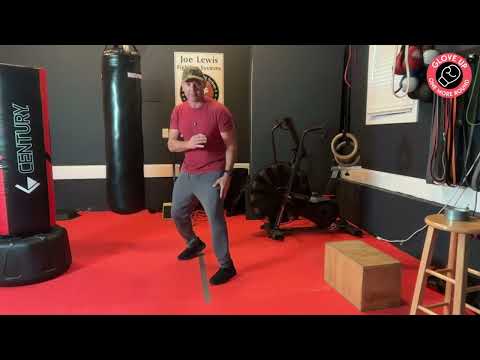
To practice the stance, start by creating a visual guide on the floor. A simple method is to place a strip of duct tape on the ground to serve as a reference line.
This alignment prevents your feet from crossing during movement, which is crucial for maintaining balance and avoiding awkward foot placement.
Imagine your feet as two parallel train tracks. Both feet should point in the same direction, aligned like train tracks shifted slightly to the right (for a right-handed fighter). This means:
This positioning allows you to shift your weight smoothly from side to side and maintain stability.
Begin by stepping into the stance and then stepping out, repeatedly:
Each time you step into the stance, check that your feet maintain the correct distance and angle.
One of the most common mistakes beginners make is taking steps that are too large. To maintain balance and control, steps should be small, generally not exceeding 4 inches.
This ensures your feet remain properly spaced and aligned.
Once comfortable with the stance and stepping, integrate basic punches such as the one-two combination while maintaining foot positioning. Practice throwing a one-two punch repeatedly for about 20 seconds, ensuring your feet stay in the correct stance without crossing or losing balance.
If you find it difficult to maintain foot positioning while punching, return to practicing the basic footwork until it becomes second nature.
When moving in any direction, the foot corresponding to that direction moves first:
After stepping, the other foot follows to maintain stance width and alignment.
To solidify your footwork foundation, dedicate time to practice:
Recording yourself during these drills can be beneficial for self-assessment and receiving feedback.
Mastering the basics of footwork is essential for any fighter. The bladed stance combined with small, controlled steps ensures balance, versatility, and effective striking and defense. Although the techniques may seem simple, consistent practice is necessary to perform them fluidly during combat.
By following the outlined steps and dedicating time to practice, you will build a strong foundation that will enhance your overall fighting skills.
Stay committed to these fundamentals, and you will see significant improvements in your movement and effectiveness in the ring or any self-defense situation.
Thank you for reading, and best of luck in your training journey!