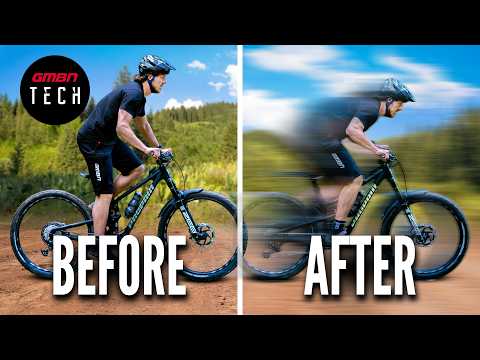
Discover how to ride faster with less effort by focusing on efficient movement rather than brute force. Learn the five key progressions including triple extension, core stability, timing, anticipation, and proper braking to enhance your mountain biking speed and control. This comprehensive guide reveals why athleticism and technique trump raw effort and how to apply these principles for smoother, faster rides.
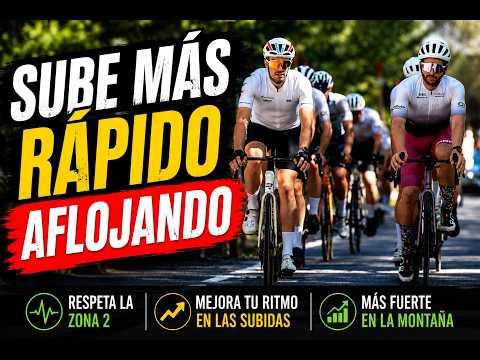
Riding faster on your bike doesn't necessarily mean pedaling harder or gripping the handlebars tighter. In fact, many riders struggle through trails, burning out their arms and legs, yet still go slower than they should. The secret to effortless speed lies in efficiency and movement, not just effort. This article explores the key principles and techniques to help you ride faster with half the effort, applicable to any level of rider.
Many riders pedal harder and hold rigid body positions, trying to muscle their way through trails. This approach is exhausting and often counterproductive. Speed comes from efficient, athletic movement rather than brute force.
Dave Davidson, a mountain biking coach on a mission to restore athleticism and solve the crash crisis, shares insights he learned from following elite rider Nico Malali, who can maintain speed without spinning the cranks. This reveals a fundamental truth: speed is about how you move your body and bike, not just how hard you pedal.
Effortless speed is generated through dynamic, athletic movement. Struggling for speed results from forcing static positions and pedaling harder. The fastest riders use a combination of big and small movements, staying fluid rather than stiff. Mountain biking is a dynamic sport requiring adaptable movement, not static effort.
Your hips are the engine of your power. Triple extension involves extending your ankle, knee, and hip simultaneously, similar to the motion in jumping. This coordinated extension uses your strongest muscles, costing less energy to exert force on the bike.
If this technique feels difficult, it may be due to a lack of athleticism rather than poor technique. Strengthening your posterior chain (back, glutes, hamstrings) and developing explosive movement off the bike will help translate power effectively.
A strong core is essential for controlling your body on the bike. However, traditional core exercises like crunches are not enough. You need dynamic neuromuscular stability, which means your core can stabilize your trunk during movement without tension or clenching.
Start with exercises like dead bugs, bird dogs, and payoff presses to train your core to resist rotation and stabilize dynamically. On the bike, practice standing on pedals, twisting hips, and pumping rollers while maintaining a relaxed but active core.
Many riders ride reactively, braking or holding on tightly when bumps hit them. Elite riders anticipate trail features several steps ahead and time their movements to maximize traction and momentum.
Practice riding the same trail section repeatedly, experimenting with timing and intensity of your pumps to find the rhythm that the trail offers.
Constant braking is a major speed killer. Often, riders brake because they are tense and not looking far enough ahead, causing their brain to perceive danger prematurely.
This approach allows your body to move fluidly with the bike, absorb impacts, and adjust to trail changes without unnecessary braking.
Try a drill where you pick a section you usually brake a lot and force yourself to look further ahead and stay relaxed. You will likely brake less and feel more confident.
By integrating triple extension, core stability, timing, anticipation, and proper braking, you will ride faster, smoother, and with less fatigue. These techniques allow you to work smarter, not harder, and enjoy your rides more.
If you want to join the elite riders who have a clear plan and the athleticism to hit their goals, focus on restoring your athleticism and dialing in your technique. This is not about buying a new bike or simply practicing more; it’s about training your body to move efficiently and dynamically.
Dave Davidson offers a 90-day intensive program called the Athlete Accelerator to help riders restore athleticism, improve technique, and build confidence for lasting speed. Applying these principles and committing to training will transform your riding experience.
Start applying these five key progressions today and watch your speed double while your effort halves. Enjoy faster, more controlled, and more fun rides on any bike!