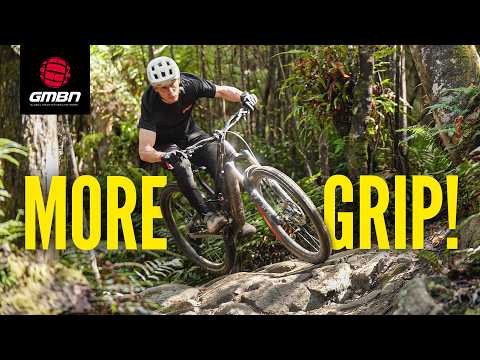
This article explores how mountain bikers can enhance grip on varied terrains by focusing on three key elements: pressure, timing, and confidence. It emphasizes rider body position, understanding trail features, and practicing on repeatable trails to build trust and control, using examples from Tasmania's Blue Tier trails to illustrate these concepts.
Mountain biking grip is a crucial factor that affects your control, speed, and safety on the trails. While many riders focus on tires and their technical specifications, there are significant ways riders themselves can influence grip through body position, timing, and confidence. This article breaks down these elements and offers practical advice to maximize grip on diverse terrains.
When thinking about grip, it's common to concentrate on tires — their pressure, TPI (threads per inch), sidewall casings, and knob diameters. However, these technical aspects, while important, are just one part of the equation. Instead, focusing on what riders can control directly, such as how they apply pressure, time their movements, and build confidence, can dramatically improve grip.
Grip on the trails can be understood through three main components:
Pressure here refers not to tire pressure but to the force riders apply through their body weight into the ground via the bike. Applying the right amount of pressure is essential:
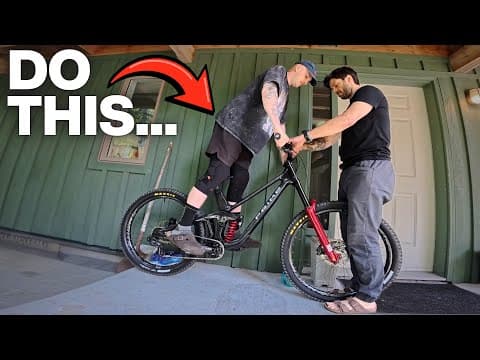
Good body position is key to managing pressure effectively. Riding with bent arms and legs allows you to extend and compress your body to maintain contact with the trail, especially when the terrain fades away or changes elevation. Straight arms and legs limit this ability, reducing grip.
Granite slabs in Derby, Tasmania: Though they appear shiny and slippery, these slabs have a sandpaper-like texture. Applying pressure here helps brakes lock up effectively, allowing quick deceleration and control. Riding lightly causes tires to skid, turning grip into a slippery hazard.
Loose dirt trails: On soft, loose surfaces, pressing harder drives tire lugs into the harder pack beneath, increasing traction.
Timing your inputs—when and how you apply or release pressure—is critical because bikes and tires can only perform one task at a time, such as braking or cornering, but not both simultaneously.
In rocky sections, many riders try to press down hard continuously, which unsettles the bike as it hits rocks, reducing grip. Instead:
This technique improves consistency, speed, and grip.
Driving down on the backside of rocks or roots loads the suspension, providing a preload that helps you launch over obstacles and maintain momentum. This skill is especially useful on off-camber sections and rough terrain.
Confidence is the most straightforward yet hardest element to master. Even with perfect pressure and timing, lack of trust in the terrain or your grip can cause stiff, cautious riding, which reduces grip and creates a vicious cycle of fear and poor performance.
Maximizing grip on your mountain bike is not just about tire technology but also about how you ride. By mastering the interplay of pressure, timing, and confidence, you can transform challenging trails into manageable, even exhilarating rides. Practice these techniques on varied terrain like Tasmania's Blue Tier to build your skills and enjoy more control and speed on every ride.