How Two January 1980 Wrestling Shows in Portland, Maine Perfectly Demonstrated the Territory Formula
In January 1980, two WWF wrestling shows in Portland, Maine, showcased the territory wrestling formula. The first show set the stage with a solid card, drawing 1,264 fans. Three weeks later, a follow-up show with higher stakes and story payoffs attracted 2,178 fans, demonstrating how building momentum and delivering on storylines increased audience engagement in wrestling territories.
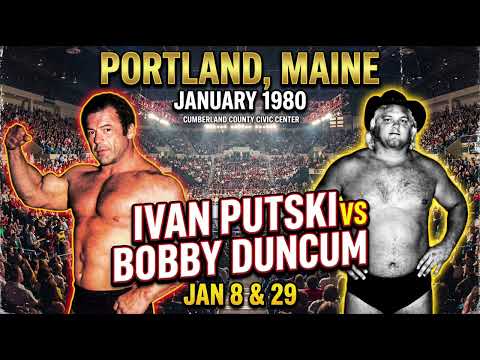
In January 1980, the Cumberland County Civic Center in Portland, Maine, hosted two Tuesday night wrestling cards that together illustrated the essence of how territory wrestling operated. These events, held in a large venue with a capacity of around 6,700 fans, took place during a cold month in a market that needed to be energized.
The First Show: January 8, 1980
The initial show on January 8th drew 1,264 fans, which was less than a quarter of the building's capacity. This turnout was typical for early January and served a strategic purpose rather than aiming for a sellout. The card featured notable matches such as Hulk Hogan versus Tito Santana, Bobby Duncan against Ivan Putski, Ken Patera, the Wild Samoans, Renee Goulart, and Johnny Rodz.
This event was not designed to be a blockbuster but to set the table for the month ahead. It aimed to create some heat and give fans a reason to return for future shows. The matches and storylines introduced were carefully chosen to build anticipation.
The Follow-Up Show: January 29, 1980
Three weeks later, the WWF returned to Portland with a stronger lineup and significant payoffs to the stories initiated in the first show. This time, attendance rose to 2,178 fans, marking nearly a 70% increase in interest, though still short of filling the 6,700-seat arena.
The card featured higher stakes, including Pat Patterson defending the Intercontinental title against Lou Albano, Tito Santana reclaiming a win over Ken Patera, Ivan Putski getting revenge on Bobby Duncan, the Wild Samoans continuing their dominance, and Larry Zbyszko gaining momentum.
This show was more than just another event; it was a purposeful follow-up designed to capitalize on the momentum built in the first show. The crowd's response reflected the success of this approach.
The Territory Formula in Action
These two shows exemplify the territory wrestling formula:
- Start with a solid card: The first show introduced compelling matches and storylines.
- Create friction: Rivalries and tensions were established to engage the audience.
- Return quickly with bigger stakes: The follow-up show raised the stakes and promised payoffs.
- Deliver the payoffs: Storylines progressed and climaxes were presented.
- Watch the house rise: Attendance and interest grew as a result.
Portland did not suddenly become a sellout town, but it became a hotter market because the booking gave fans a reason to return. The second show felt bigger and more alive because the WWF built momentum the right way.