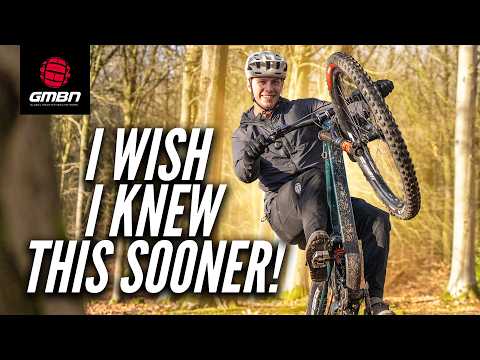
Mountain biking is an exhilarating sport, but starting out can be challenging. Reflecting on 16 years of professional racing, I share key lessons I wish I'd known earlier: progress gradually, master core skills before switching pedals, manage fear through experience, prioritize proper bike setup, invest in coaching, and understand the realities of being a pro rider including training, travel, and social media pressures.
Mountain biking is one of the most thrilling activities you can do on this planet. I love it so much that I raced professionally for 16 years around the world. However, looking back, I realize I made the sport much harder for myself than it needed to be. In this article, I want to share some important lessons I wish I had known when I first started riding.
Starting mountain biking can be really tough. The variety of trails and especially jumps were terrifying to me. I was one of the least experienced riders in my group of friends, many of whom had been riding and racing for years. This pressure made me rush to get up to speed quickly, which led me to take risks far beyond my skill level.
The result? A lot of crashing. From broken bones to skinned knees and elbows, these crashes took the joy out of what should have been some of the best years of riding in my life.
If I had taken my time and progressed slowly, I would have reached the same level I am at today but with much less pain. You don’t always have to push your limits. Riding smaller features for the first time can give you the same thrill as hitting bigger features later, but with far less risk. So don’t rush it. Just enjoy the ride.
Another mistake I made was rushing into clipless pedals. I love clip pedals now and advocate for them, but switching to them too early left me lacking some core skills. When I switched back to flat pedals recently, I realized I didn’t have the skills or knowledge to ride them well.
If you’re just starting out, don’t rush into clipless pedals. Enjoy flat pedals and focus on progressing your skills gradually. This will help you develop good body position and have more fun on your bike.
Crashing is a scary but inevitable part of mountain biking. The unknown features you encounter as a beginner naturally bring fear. Over time, I learned to process this fear by treating experience as data. The more trails and features you ride, the better your data, and the more calculated and confident you become.
Crashes provide valuable information on what went wrong and how to improve. Wearing proper protection like helmets, knee pads, and gloves is essential, especially when learning new features. This reduces injury risk and boosts confidence.
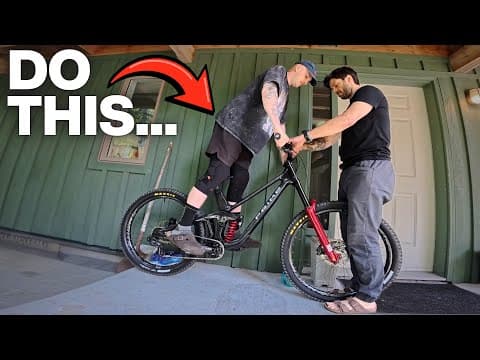
Having your suspension and bike setup correct is a game changer. When I started, I had a cross-country bike and tried to cram a longer travel shock into it, nearly breaking the bike. Later, when racing downhill, I had no idea how to adjust compression dials and would just twist them randomly.
Incorrect suspension setup affects your posture and confidence. For example, if your suspension is too soft on a steep hill, it dives and you end up riding with straight arms, which is less effective. Proper suspension allows you to lean into the terrain, improving technique and confidence.
If you can’t afford a professional tuner, there are excellent online resources and videos that can help you set up your bike properly.
As a teenager, I was obsessed with the latest mountain bike tech, watching movies and reading magazines about new upgrades. However, this was unrealistic for me financially and my parents didn’t see the point since I would outgrow the gear quickly.
Now, having ridden some incredible bikes with the latest tech, I realize that investing in yourself and your riding experience early on is more valuable than chasing the newest gear.
Focus on building your skills and experience first. When you’re older and more established, then invest in high-end equipment if you can afford it.
Growing up, I was the slowest in my group and spent a lot of time crashing trying to keep up. Eventually, I learned that my friends had started coaching, which helped them improve rapidly.
I sought coaching and it made a huge difference. My coach identified key areas to work on, such as dropping my heels, bending my elbows better, and looking further ahead on the trail. Seeing my mistakes on video helped me practice with purpose and improve quickly.
I continued coaching throughout my career and still use drills from early on. I wish I had started coaching sooner, and I highly recommend it to anyone starting out.
Growing up, I idolized pro riders like Sam Hill and Brendan Fairclough. I imagined being a pro meant just riding bike parks, ripping turns, and making cool videos. The reality was much harder.
Pro riders train extremely hard every day to maintain fitness and improve skills. Balancing training with work during my semi-pro days was especially challenging.
Traveling to races around the world was both the best and hardest part. While I loved exploring incredible locations, being away from home and my wife was tough and took a toll.
Social media is now a huge part of being a pro cyclist. While it helps with exposure, it also brings pressure to perform and capture impressive clips. This can lead to taking unnecessary risks and becoming obsessed with likes and followers.
Despite these challenges, being a pro is the best job I’ve ever had, and I wouldn’t change a thing.
Mountain biking is an amazing sport, but it’s important to approach it with patience and awareness. Progress gradually, focus on core skills, get your bike setup right, consider coaching, and understand the realities of professional riding.
If you’re just starting out, I hope these lessons help you avoid some of the mistakes I made and make your journey more enjoyable.
Feel free to share your own tips and experiences in the comments below!