This article details the author's experience of being arrested twice at Nashville Airport due to vehicle license plate issues related to Tennessee tax laws. Despite attempts to cooperate, the arrests involved significant police resources and bail costs, highlighting concerns about government overreach and misuse of taxpayer money. The author shares legal updates, personal hardships, and calls for fair treatment of citizens.
The author recounts a troubling experience involving two arrests at the Nashville Airport by the Tennessee Department of Revenue and local law enforcement. The arrests stemmed from issues related to vehicle license plates and tax obligations, resulting in significant legal and financial consequences.
Upon returning to the United States, the author was arrested at Customs at Nashville Airport. This was not the first arrest; a second arrest was anticipated due to a second vehicle with a Montana license plate that was purchased in Tennessee. The legal team had been informed by the District Attorney (DA) that the author would not be arrested upon arrival and that the process would be amicable. However, contrary to this assurance, an entire team of police officers was dispatched to the airport to arrest the author immediately.
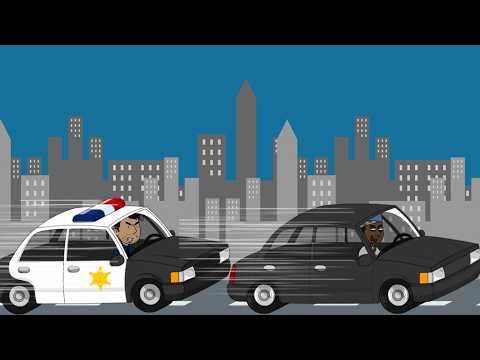
The arrest involved six police officers transporting the author through rush hour traffic to Rutherford County Jail. The bail was set at $25,000 for this second arrest, adding to the previous bail amount, totaling approximately $45,000.
The author describes being extremely sick during detention, with a fever of 105 degrees, and being denied basic necessities such as a towel or blanket despite multiple requests. The jail was very cold, and the author was left shivering without adequate warmth. This treatment is described as disgraceful and inhumane.
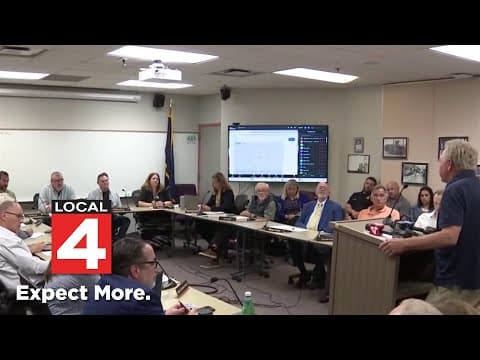
Prior to these arrests, the author attended a court hearing regarding a gag order. The judge ruled fairly, allowing the author to speak freely except on sealed matters not yet public. The media was present during the hearing, and videos of the author’s previous statements were shown.
Curtis Richie, a special agent involved in the case, was present and recognized by the author as the officer who had previously arrested him. Richie was described as uncooperative and standoffish during the proceedings.
The entire legal battle has cost over half a million dollars, all related to a tax bill of less than $35,000. The author criticizes the Tennessee Department of Revenue and law enforcement for wasting taxpayer money and resources on what is perceived as an excessive and punitive response.
The arrests are related to two vehicles purchased in Tennessee but registered with Montana license plates. Montana does not charge sales tax on vehicle purchases, which is a key factor in the dispute. The author advises others with vehicles registered in Montana to avoid purchasing cars in Tennessee to prevent similar legal issues.
The author expresses frustration and sadness over the treatment received and the impact on personal health and finances. The experience has led to a recommendation to move out of Tennessee due to the harsh treatment by state authorities.
The author also encourages the public to question the Tennessee Department of Revenue and Curtis Richie about their treatment of citizens and the use of taxpayer funds.
Despite the challenges, the author praises the legal team for their competence and dedication. The team includes a First Amendment attorney who effectively defended the author’s right to free speech.
The author is considering more aggressive legal tactics moving forward and is committed to continuing the fight against what is seen as unjust treatment.
Aside from the legal issues in Tennessee, the author mentions being scammed out of $40,000 in Dubai, highlighting the difficulties faced as a public figure and internet personality.
This case underscores the complexities and potential pitfalls of vehicle registration and tax laws across states. It also raises concerns about government overreach, the treatment of citizens, and the use of public resources. The author remains determined to seek justice and keep the public informed.
The author thanks supporters and promises to continue providing updates. A new series involving building wooden cars is also mentioned as an upcoming project.
This detailed account serves as a cautionary tale for vehicle owners and taxpayers, emphasizing the importance of understanding state laws and advocating for fair treatment by government agencies.