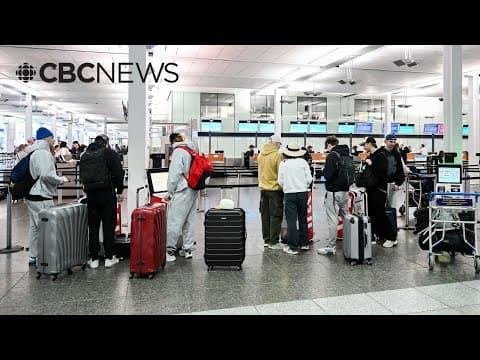
The recent tariff threats from the U.S. have led to significant changes in Canadian travel behavior, with many opting to cancel trips to the U.S. and choose alternative destinations. This shift is driven by emotional responses, currency fluctuations, and a desire to support local economies.
Prime Minister Justin Trudeau recently held a virtual meeting with Canadian premiers to discuss the implications of U.S. tariff threats. This meeting marks the first since President Donald Trump paused the trade levy for 30 days. The discussions are expected to focus on enhancing border security and reducing trade barriers between provinces. As Canadians navigate the fallout from these tariffs, many travelers are reconsidering their plans to visit the U.S.
Amra Durovich from Flight Center Travel Group shared insights on the emotional state of Canadian travelers. Many are expressing feelings of betrayal and broken trust due to the combination of the weak Canadian dollar and the looming tariffs. With affordability being a significant concern, Canadians are increasingly choosing to spend their travel dollars outside the U.S.
As a result of these tariff threats, there has been a noticeable shift in travel trends. Travelers who had previously booked trips to the U.S. are now considering alternative destinations. Durovich noted that despite potential rebooking or cancellation fees, Canadians are willing to incur these costs to avoid traveling to the U.S. Popular alternative destinations include:
Additionally, there has been a significant shift from U.S.-based cruises to Mediterranean cruises, reflecting a broader trend of avoiding U.S. travel.
Durovich highlighted that this reaction is unprecedented in her experience with the company. While shifts in government policies can influence travel sentiment, the current situation has fostered a strong sense of solidarity among Canadians. The breakdown of trust with the U.S. administration is palpable, leading many to seek travel options that do not involve crossing the border.
The current state of the Canadian dollar is also a critical factor in travel decisions. With the dollar at its weakest in four years, traveling to the U.S. has become more expensive. Durovich pointed out that this trend began in November when the dollar started to decline. As a result, Canadians are exploring destinations where their currency holds stronger value, such as:
For Canadians looking to avoid travel to the U.S., Durovich offered several practical tips:
The tariff threats from the U.S. have not only impacted trade relations but have also significantly influenced Canadian travel behavior. With a strong emotional response and practical considerations regarding currency, Canadians are choosing to explore alternative destinations. As the situation evolves, it will be interesting to see how these travel trends continue to shift in response to ongoing political and economic developments.