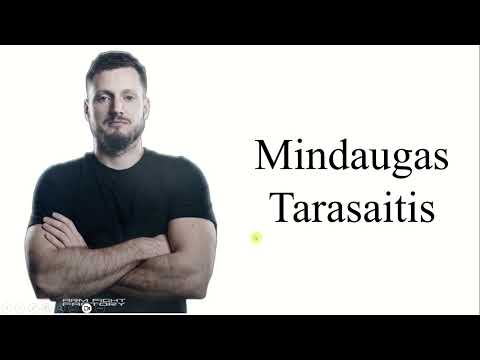
This article provides a detailed breakdown of Mindaugas Tarasaitis' arm wrestling training regimen, focusing on the specific hand and upper body strength exercises he employs. It covers his use of dynamic and static movements, the types of pressures trained, and the balance between table training and supplementary exercises, offering insights into his comprehensive approach to strength development.
Arm wrestling demands a unique combination of hand and upper body strength. Mindaugas Tarasaitis, a prominent figure in the arm wrestling community, has a training regimen that has intrigued many enthusiasts. This article delves into the specifics of his training, analyzing the exercises he performs and the muscle groups he targets.
Arm wrestling strength can be broadly categorized into nine hand strengths and several upper body strengths. These include:
For upper body, the key strengths are:
Tarasaitis focuses on training four of the five hand strengths: wrist flexion, pronation, radial deviation, and supination. From the upper body strengths, he trains all except front pressure.
The exercises analyzed are sourced from his arm wrestling training clips playlist. They can be grouped into three main categories:
These include four specific movements targeting hand strength.
Three exercises focus on pressing motions, incorporating triceps and side pressure elements.
Several exercises fall under this category, emphasizing side pressure and pocket pull techniques.
Tarasaitis uses a lat-style row machine to perform dynamic side pressure exercises. These are done with relatively light weights and allow the elbow to move freely sideways, reducing injury risk. The dynamic nature means the movement covers a range of motion rather than static holds.
On the same machine, he performs a pulling motion directed towards the shoulder, combining pocket pull and pronation. This dynamic exercise helps build strength in the pulling muscles relevant to arm wrestling.
Two types of trapping are used:
The first allows for heavier loads, while the second is more about endurance through static holding.
Tarasaitis performs a dumbbell throwing exercise side to side, which is ballistic in nature. This movement mimics the dynamic forces experienced during arm wrestling and is a valid strength-building method.
This exercise involves pulling a band from a low shoulder position to a higher one, either holding statically or moving dynamically to increase tension. It targets pocket pull strength with varying intensity.
Using a band placed on the wrist, this exercise eliminates hand involvement and focuses on pulling towards the face. It resembles a top roll exercise but lacks the riser element due to the band placement.
Tarasaitis also performs traditional full-range bicep curls, not ballistically, which contribute to elbow flexion strength.
He performs dynamic pressing exercises on machines, involving side pressure, triceps, and possibly chest muscles. These are done with movement, reducing injury risk.
Using a row machine, he performs dynamic pressing combined with supination, again emphasizing controlled movement.
Tarasaitis complements his gym exercises with well-organized table time sessions. These sessions are designed to strengthen specific arm wrestling movements without overloading the muscles, allowing for effective skill and strength development.
This exercise involves holding a static angle while the body moves, categorized as an isometric training method known as the rep method. It helps build strength endurance.
A cable exercise focusing on wrist flexion with some side pressure and lat involvement.
Repetitive elbow flexion movements with a static riser position, combining dynamic and isometric training.
Throwing a dumbbell while maintaining a static riser grip, blending ballistic and isometric elements.
Using a thick club to increase lever arms, this exercise targets riser strength with some pocket pull involvement.
Tarasaitis also performs chin-ups, contributing to overall upper body strength.
Overall, Mindaugas Tarasaitis demonstrates a well-rounded and thoughtful approach to arm wrestling training, balancing safety, strength, and sport-specific demands effectively.