India faces significant challenges in securing liquefied petroleum gas (LPG) supplies due to disruptions in the Strait of Hormuz caused by regional conflict. Diplomatic efforts have led to Iran allowing two Indian LPG tankers to pass, easing shortages temporarily. However, supply chains remain unstable, with ongoing negotiations to secure the passage of additional vessels amid demands from Iran. The situation underscores India's reliance on West Asian energy imports and the complexities of geopl
The ongoing conflict in the Strait of Hormuz has put India's energy resilience to the test, particularly concerning the supply of liquefied petroleum gas (LPG), a vital cooking fuel for millions of Indian households. Recent diplomatic breakthroughs have allowed some relief, but challenges remain as India navigates complex geopolitical and supply chain disruptions.
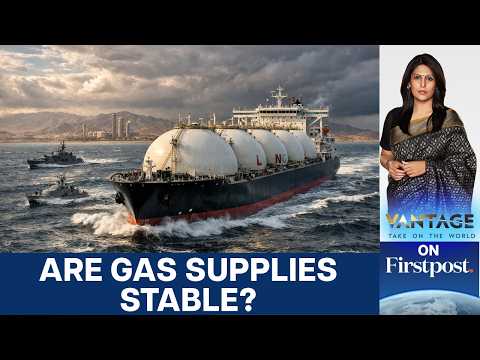
The Strait of Hormuz is a critical maritime chokepoint through which a significant portion of India's LPG imports transit. Due to the ongoing conflict in the region, this route has been effectively shut down, causing severe disruptions in LPG supplies to India.
Last week, India experienced LPG shortages, especially impacting commercial establishments such as restaurants. Many had to ration their gas supplies, reduce menu items, or even shut down temporarily due to the scarcity.
Over the weekend, a significant diplomatic development occurred when Iran permitted two Indian ships carrying LPG to pass through the Strait of Hormuz. One of these vessels, named Shivalik, has already arrived in the western Indian state of Gujarat, carrying approximately 40,000 metric tons of cooking gas—equivalent to one day's supply for the country.
The second ship is expected to arrive shortly, and together, these two vessels are transporting around 92,000 tons of LPG. This development offers some immediate relief but is considered a stop-gap measure rather than a permanent solution.
India primarily relies on LPG cylinders for cooking fuel, with about 90% of its LPG needs imported, 60% of which come from West Asia. The disruption in the Hormuz Strait has thus had a significant impact.
An alternative cooking fuel, piped natural gas (PNG), which is delivered directly to kitchens via pipelines, remains stable for now. However, PNG usage is largely confined to urban centers, and the majority of Indian consumers still depend on LPG cylinders.
The supply crunch affects not only households but also industrial operations. For instance, JSW Group, one of India's largest steel manufacturers, has reported LPG shortages at some of its units, prompting them to write to the government about the operational impact.
Similarly, the Indian Steel Association has raised concerns about LPG supply disruptions, particularly affecting small and medium enterprises, and has urged the government to expedite imports.
As of the previous Saturday, 22 Indian-flagged ships were stranded in the Persian Gulf due to the conflict, including six LPG tankers carrying a total of 270,000 tons of cooking gas.
India's External Affairs Minister, S.J. Shankar, has been actively engaged in talks with Iran, emphasizing direct engagement as the most effective approach. These discussions have resulted in the release of two LPG tankers, with efforts ongoing to secure safe passage for the remaining vessels, which are being prioritized.
Reports have emerged suggesting that Iran has made two demands in exchange for allowing the remaining Indian tankers to pass:
However, a source from the Indian government has denied these reports, calling them baseless and stating that no such discussions have taken place with the Iranian side.
India has maintained a neutral stance in the conflict, not taking sides, and has longstanding, deep ties with Iran. This positions India to engage diplomatically to safeguard its energy interests.
The situation highlights the complexities of global energy supply chains and the importance of diplomatic channels in resolving disruptions caused by geopolitical conflicts.
The crisis in the Strait of Hormuz has exposed vulnerabilities in India's energy supply, particularly its dependence on LPG imports from West Asia. While recent diplomatic efforts have provided some relief by allowing two LPG tankers to reach India, the supply chain remains fragile.
Ongoing negotiations with Iran aim to secure the passage of additional vessels, but uncertainties persist due to reported demands and the broader geopolitical context. India's ability to navigate this crisis will be crucial in ensuring energy security for its households and industries.
The unfolding situation serves as a reminder of the interconnectedness of global energy markets and the need for resilient and diversified supply strategies.
The world is complex and interconnected, and India's experience amid the Hormuz Strait crisis exemplifies the challenges nations face in securing essential resources in turbulent times.