This article explores the phenomenon of influencers visiting North Korea's border and the country itself, revealing the stark contrast between the curated, often sponsored content and the harsh realities of life in North Korea. It discusses the restrictions, propaganda, and staged appearances designed to present a perfect image, while highlighting the dangers and ethical concerns surrounding such influencer activities.
In recent years, a curious trend has emerged where social media influencers venture to the borders of North Korea or even inside the country to create content. These trips are often portrayed as exciting adventures, complete with "fit checks" and visits to unique spots like a Starbucks near the Demilitarized Zone (DMZ). However, beneath the surface lies a complex and often disturbing reality.
Many influencers have been drawn to North Korea due to its mysterious and secretive nature. Some have even made sponsored content about their visits, highlighting seemingly benign aspects such as a Starbucks located near the border or vegan restaurants catering to tourists. The DMZ, one of the most heavily guarded borders in the world, has become a hotspot for such content.
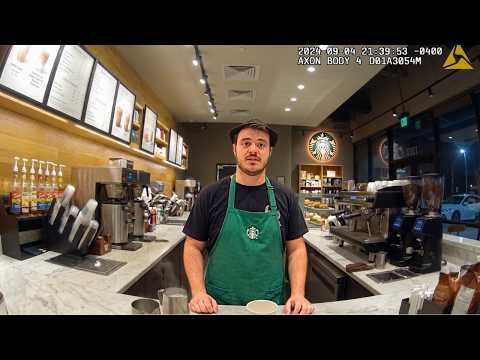
One influencer described their journey to the Aebong Peace Eco Park near the border, accompanied by an Uber driver who spoke no English, communicating only through apps. The Starbucks there was situated atop a fortress-like structure, emphasizing the militarized nature of the area.
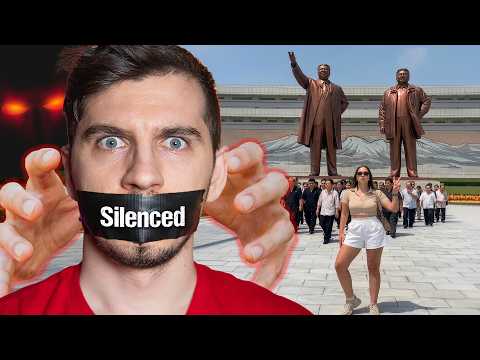
Despite the glamorous portrayal, visiting North Korea comes with strict rules and limitations. Tourists must travel in organized groups, cannot travel alone, and are prohibited from filming certain areas such as military sites, construction, and people performing physical labor. Passports are often confiscated during the trip and returned only upon departure.
Influencers who have been inside North Korea often work under the watchful eyes of guides and are restricted in what they can record or say. Some have been hired to produce promotional content, effectively acting as propagandists. This raises ethical questions about the morality of such work, especially given the country's human rights record.
North Korea is known for its extensive propaganda efforts. Influencers have shown scenes of happy, smiling citizens and clean, orderly streets, but these are often staged. Former defectors and escapees have revealed that areas accessible to tourists are carefully controlled and designed to present a perfect image.
For example, visitors are required to buy flowers before visiting statues of the country's leaders, a practice that generates revenue for the regime. Videos from inside the country often appear gloomy, cloudy, and eerily quiet, with no birds or signs of natural life, contributing to a dystopian atmosphere.
Some influencers have changed their social media bios and content to focus exclusively on North Korea, reportedly in exchange for payment. These paid promotions often gloss over the harsh realities and instead highlight supposed benefits such as free housing, healthcare, and education.
North Korea has even attempted to use social media platforms like TikTok to promote itself, posting videos that depict the country as clean, safe, and full of polite people. However, these efforts are met with skepticism due to the obvious censorship and propaganda.
Life in North Korea is marked by severe restrictions on freedom, including the inability to leave the country legally. Attempts to escape are met with harsh punishments, including death. The staged nature of tourist areas and the controlled experiences offered to visitors mask the suffering of the general population.
Videos and accounts from defectors paint a grim picture of poverty, oppression, and fear. The contrast between the curated influencer content and the reality is stark.
While the influencer era has brought unprecedented access to many parts of the world, North Korea remains a place where appearances are carefully managed, and the truth is hidden behind layers of propaganda. Influencers who visit the country or its borders often risk their safety and inadvertently contribute to a misleading narrative.
Understanding the realities of North Korea requires looking beyond the glossy social media posts and recognizing the human rights issues and restrictions faced by its people. As consumers of content, it is crucial to approach such influencer material with a critical eye and awareness of the broader context.
If you found this exploration insightful, consider sharing it to spread awareness about the complexities of North Korea and the role of influencers in shaping perceptions.