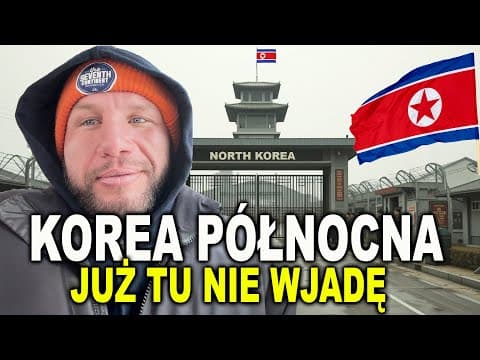
This blog post explores the author's firsthand experiences in North Korea, revealing the stark contrast between the country's portrayal and its grim reality. It discusses the orchestrated nature of tourism, the pervasive fear among citizens, and the challenges faced by visitors in understanding the true state of life in North Korea.
In this blog post, we delve into the author's experiences during a recent trip to North Korea, a country often shrouded in mystery and misconceptions. The narrative unfolds the orchestrated nature of tourism in North Korea, the pervasive fear among its citizens, and the stark contrast between the country's portrayal and its grim reality.
Upon arrival, the author notes that the experience was heavily curated. Guides, often referred to as agents, followed the group closely, ensuring that only the prepared narrative was presented. The author describes how the guides praised the leaders of North Korea in superlatives, creating an atmosphere of reverence that felt forced and unnatural. This constant praise was a reflection of the fear that permeates the country, where speaking ill of the leadership could lead to severe consequences.
The author likens the experience to a theatrical performance, where everything was staged for the benefit of tourists. From the artificial flowers laid at monuments to the carefully crafted scenes of daily life, it became clear that what was being shown was not the reality of North Korean life. The guides and citizens were trained to present a facade, leaving visitors with a skewed understanding of the country.
The author reflects on the oppressive atmosphere in North Korea, describing it as a "big prison" where citizens live in fear. The lack of freedom is palpable, with individuals unable to express their thoughts or opinions without risking punishment. The author expresses sympathy for the North Korean people, who are trapped in a system that offers them no hope for improvement.
While the tourist experience was sanitized, glimpses of the true state of life in North Korea were evident. The author describes visiting housing estates where conditions were dire, with no sewage systems and inadequate heating. The stark contrast between the lavish hotels and the grim reality of everyday life left a lasting impression.
Interactions with locals were limited, as most citizens did not speak English and were trained to respond to tourists in a rehearsed manner. The author recounts an encounter with schoolchildren who were instructed to answer questions in a way that painted a positive picture of their lives, further emphasizing the controlled narrative.
The lack of access to information was striking. The author notes that North Koreans are largely unaware of global events, including the war in Ukraine. This isolation is a deliberate tactic to maintain control over the population, preventing them from questioning the regime or seeking a different reality.
The trip to North Korea was surprisingly affordable, costing around 650 euros per person, which included accommodations, meals, and guided tours. However, the author reflects on the ethical implications of visiting a country where the citizens suffer under a repressive regime.
In conclusion, the author's journey through North Korea serves as a poignant reminder of the stark realities faced by its citizens. While the trip provided a unique opportunity to witness a closed-off society, it also highlighted the importance of understanding the true nature of life in North Korea. The author expresses a reluctance to return, recognizing that the experience was both eye-opening and deeply saddening. The narrative concludes with a call for awareness and understanding of the complexities surrounding North Korea, urging readers to consider the human cost behind the facade of tourism.