Sean Combs, also known as Diddy, is on trial for sex trafficking and racketeering in New York. The prosecution alleges a long-term criminal scheme involving coercion and exploitation, while the defense claims consent. The trial features significant video evidence and testimonies from alleged victims, raising complex legal questions about consent, coercion, and the implications of celebrity status in court.
Sean Combs, popularly known as Diddy, is currently facing serious legal challenges in a high-profile trial in New York. The charges against him include multiple counts of sex trafficking and racketeering, which have captivated public attention and raised significant legal questions. This blog post delves into the details of the trial, the charges, and the implications of celebrity status in legal proceedings.
Sean Combs is on trial for a federal indictment that includes charges of racketeering conspiracy, sex trafficking, and interstate travel for the purposes of prostitution. The prosecution, led by a team from the Southern District of New York, alleges that Combs orchestrated a long-term criminal scheme that involved exploiting and coercing victims over many years. The case has garnered attention not only for its serious allegations but also for the celebrity status of the defendant.
The prosecution has presented video footage and testimonies from alleged victims to support their claims. They argue that Combs engaged in a pattern of exploitation, asserting that he paid for male sex workers to engage in sexual acts with women in his presence, including Cassie Ventura, a former partner. The prosecution's strategy hinges on proving that these acts were part of an ongoing criminal enterprise rather than isolated incidents.
In contrast, the defense has acknowledged that Combs struggled with drug addiction and admitted to paying for sex workers. However, they argue that all sexual activities were consensual. The defense claims that the alleged victims, including Cassie, consented to participate in the drug-fueled parties and that there was no coercion involved. This raises the critical question of whether the victims were indeed coerced or if they voluntarily participated in these activities.
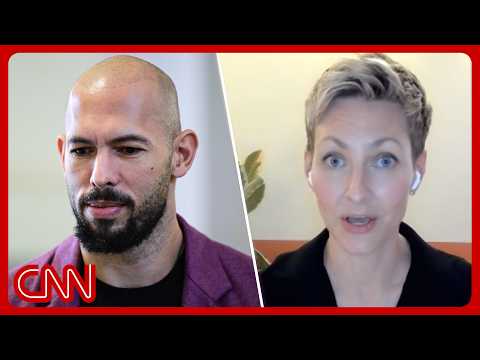
To gain a deeper understanding of the legal complexities involved in this case, I spoke with Mitchell Epner, a former federal prosecutor with experience in handling sex trafficking cases. He provided valuable insights into the prosecution and defense strategies, as well as the challenges of prosecuting a celebrity.
Epner noted that sex trafficking cases have evolved significantly over the past two decades. Earlier cases often focused on individuals profiting from trafficking, whereas current cases, like Combs's, involve personal gratification rather than financial gain. This shift complicates the prosecution's task, as they must demonstrate a pattern of exploitation rather than isolated incidents.
A pivotal aspect of the trial is the issue of consent. The prosecution must prove that at some point, the sexual activities transitioned from consensual to coerced. This could involve demonstrating that threats or violence were used to compel participation. The defense, on the other hand, argues that the activities were consensual, which complicates the jury's understanding of the events.
The Racketeer Influenced and Corrupt Organizations (RICO) Act is also a significant component of the charges against Combs. The prosecution must establish that Combs was part of a criminal organization engaged in ongoing illegal activities. The defense counters that Combs's entourage was merely a business support system, not a criminal enterprise.
Prosecuting a celebrity like Combs presents unique challenges. His charisma and public persona may influence jurors' perceptions, making it difficult to portray him as a perpetrator of serious crimes. The defense's strategy appears to leverage this by framing Combs as a flawed individual rather than a fundamentally bad person.
The trial has featured testimonies from several witnesses, including Cassie Ventura, who is currently pregnant. Her condition may enhance her credibility in the eyes of the jury. The prosecution has also introduced video evidence of violent incidents involving Combs, which complicates the defense's narrative.
Cross-examination of witnesses is a critical aspect of the trial. The defense aims to undermine the credibility of the witnesses, particularly those who have struggled with addiction. However, the presence of video evidence may counteract some of these efforts, as it provides a clear depiction of events.
The trial of Sean Combs is a complex legal battle that raises important questions about consent, coercion, and the influence of celebrity status in the courtroom. As the trial progresses, the outcome will depend on how effectively each side can present their narrative and persuade the jury. With significant evidence and testimonies at play, the implications of this case extend beyond Combs himself, touching on broader issues of justice and accountability in cases of sex trafficking.