In recent weeks, Iran has witnessed the deadliest crackdown in its modern history, with thousands of protesters killed amid widespread unrest triggered by economic crisis. Despite brutal repression and internet blackouts, the regime remains resilient, backed by loyal forces. The future hinges on potential elite defections and international actions, particularly from the US, to support the Iranian people's struggle for freedom.
In the past two weeks, the Islamic Republic of Iran has perpetrated the greatest massacre in modern Iranian history. This brutal crackdown came in response to massive popular protests against the regime's rule. Thousands of unarmed protesters have been killed, with official estimates exceeding 5,000, while unofficial figures suggest the death toll could be between 10,000 and 15,000.
Some analysts have prematurely declared that these events mark the end of the Ayatollah regime. However, despite being significantly weakened, the regime has demonstrated both resilience and ruthlessness. The Iranian opposition remains divided, and foreign intervention is not seen as a straightforward solution. This article explores the current situation in Iran, the regime's response, and the potential paths forward.
The current wave of protests began in Tehran's main market, triggered by a severe currency crisis that exacerbated the hardships faced by ordinary Iranians. The unrest quickly spread beyond the capital, drawing in students, laborers, and many citizens frustrated with the daily misery of life under the regime.
Protests expanded to smaller towns in western and southwestern Iran, including Lordegan, Malikshahi, and Abdanan, where reportedly a majority of residents participated. Initially, the regime allowed the protests to continue for several days before responding with overwhelming force.
At first, the regime deployed regular security forces, primarily the police, to suppress the protests. However, by early January, the tone hardened significantly. Supreme Leader Ayatollah Ali Khamenei declared that the rioters must be "put in their place," signaling a shift to a more violent crackdown.
Following this rhetoric, the regime unleashed unprecedented brutality. The Islamic Revolutionary Guard Corps (IRGC) shot thousands of unarmed protesters not only in major cities like Tehran, Isfahan, and Mashhad but also in numerous small towns and villages. Reports emerged of the use of Russian-made heavy machine guns against peaceful demonstrators.
Witnesses described the violence as shocking, with parts of the country resembling war zones. On January 8th, Iranian authorities imposed a total internet and telecommunications blackout, allowing the regime to escalate killings under the cover of darkness.
The regime framed the uprising as a conspiracy orchestrated by foreign intelligence agencies such as Mossad and the CIA, branding protesters as terrorists. This dangerous escalation justified harsh measures against dissenters.
Families were denied the right to retrieve the bodies of their loved ones or hold funerals, stripping them of dignity and closure. The message was clear: dissent would not only lead to death but also to the denial of basic human rights for families.
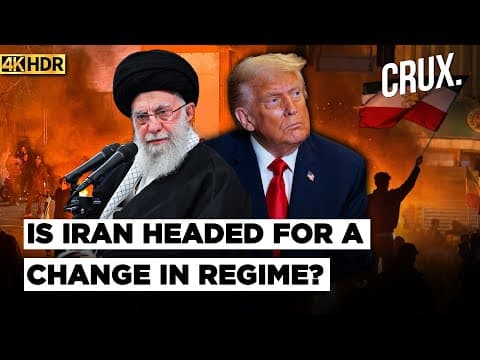
Former US President Donald Trump has called for the removal of Iran's leadership and has moved the USS Abraham Lincoln carrier strike group, including Burke-class destroyers, to the Middle East to pressure the regime.
Trump expressed sympathy for the Iranian people, lamenting the country's decline from a once prosperous nation to one living in "hell." The US aims to prevent further killings and promote freedom for Iranians.
However, Iranian President Masoud Pezeshkian warned that any forced removal of Supreme Leader Khamenei would be considered an act of war against the Iranian nation. He blamed the hardships faced by Iranians largely on longstanding US sanctions and enmity.
The regime accuses the US and Israel of directing protesters to carry out sabotage, framing foreign involvement as hostile interference.
Despite widespread hatred among the majority of Iranians, the regime retains significant support among conservatives and commands hundreds of thousands of armed supporters. The Islamic Republic appears cohesive and united under Khamenei's leadership.
While battered, the regime could survive in a weakened state, potentially leading to an armed civil war if the uprising continues.
A critical factor in the regime's survival is the loyalty of security forces. So far, there have been no large-scale defections. The possibility of the regime being overthrown depends heavily on whether cracks within the ruling elite and security apparatus widen dramatically.
The regime's ability to shut down the internet has been crucial in concealing its crimes against humanity. The United States could play a vital role in disrupting this capability through cyber operations or kinetic strikes against key regime figures.
What Iran currently lacks is not courage among its people but a revolutionary machine capable of sustaining and organizing the uprising.
The situation in Iran remains volatile. The recent protests and brutal crackdown represent a critical juncture. While the regime has shown resilience, the potential for change exists if internal divisions deepen and international support helps the Iranian people maintain communication and organization.
For now, this period may be the calm before the final storm in Iran's struggle for freedom and justice.
This comprehensive overview highlights the complexity of Iran's current crisis, the regime's response, and the uncertain path ahead for the Iranian people and their quest for change.