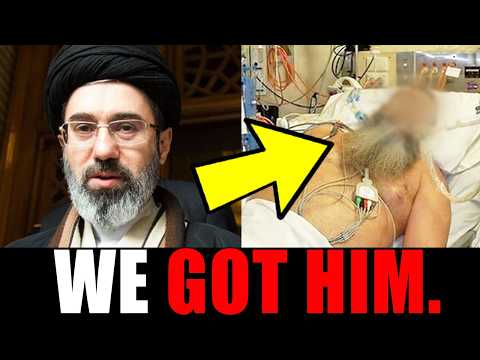
Recent developments in Iran reveal that the new Supreme Leader, Mustafa Khamenei, remains unseen with rumors of his critical condition. Meanwhile, drone warfare involving Shahed drones and their reverse-engineered counterparts, Lucas drones, plays a significant role in the ongoing conflict. The Strait of Hormuz remains a focal point with non-lethal drone strikes and plans for US Navy escorts to ensure safe passage of vessels.
Recent updates from Iran highlight a complex and evolving situation involving drone warfare, strategic control of the Strait of Hormuz, and the mysterious status of Iran's new Supreme Leader, Mustafa Khamenei. This article delves into the latest developments, military strategies, and political statements shaping the current landscape.
Iran has been deploying kamikaze drones, commonly known as Shahed drones, which have a distinct appearance and have been used in attacks primarily around the Strait of Hormuz. These drones represent Iran's touted advanced military technology.
However, recent reports suggest that opposing forces have reverse-engineered these drones or captured them, rebranding them as Lucas drones and using them against Iranian targets. This tactic mirrors strategies seen in other conflicts where intellectual property theft plays a role in warfare.
Footage has emerged showing Lucas drones striking Iranian targets, though it remains unclear whether these are reverse-engineered models or captured drones repurposed with new markings. Regardless, this development undermines Iran's perceived technological advantage.
The Strait of Hormuz remains a critical chokepoint and leverage for Iran. Recent drone strikes have targeted vessels in the area, including a US oil tanker and a Thai shipping vessel. While the damage was significant, the strikes were reportedly non-lethal.
Despite these attacks, experts suggest that Iran's military capabilities are limited to such small-scale drone operations, resembling guerrilla warfare tactics rather than conventional state military power. This distinction is important as it influences the response strategies of opposing forces.
The United States Navy is reportedly preparing to escort oil tankers through the Strait of Hormuz to ensure safe passage. This plan is contingent on achieving control of the skies and neutralizing Iranian air and naval capabilities, which are currently degraded.
Mustafa Khamenei, Iran's new Supreme Leader, has released statements via Iranian state media. Highlights include:
These statements emphasize Iran's ongoing hostility towards US presence in the region and signal potential escalations around Quds Day.
Despite these statements, Mustafa Khamenei's physical presence remains unconfirmed. Rumors have circulated about his death or critical condition following an airstrike that targeted his predecessor.
No verified images or appearances have been made public. Some reports claim that photos released by Iranian media may have been AI-generated, and the only physical representation seen is a cardboard effigy, fueling speculation about his actual status.
Recent unconfirmed reports suggest that Khamenei may be in a coma and has suffered severe injuries, including the loss of a leg.
Contrary to some media narratives suggesting that the US is being outmaneuvered by Iran, the situation appears more controlled and calculated. The US and its allies have planned for various scenarios, including escorting vessels through the Strait of Hormuz once air and naval superiority is established.
Iran's reliance on kamikaze drones indicates a limitation in its military capabilities, and the reverse use of these drones against Iran further weakens their position.
The uncertainty surrounding the new Supreme Leader adds to the instability within Iran's regime, potentially impacting its strategic decisions.
The evolving conflict involving Iran features significant developments in drone warfare, strategic control of the Strait of Hormuz, and political uncertainty regarding Iran's leadership. While Iran continues to issue threats and conduct limited attacks, opposing forces appear prepared and are actively countering these moves.
The coming weeks, especially around Quds Day, will be critical in observing how these dynamics unfold and whether tensions escalate or de-escalate in the region.
This comprehensive overview captures the current state of affairs in Iran, highlighting military, political, and strategic factors shaping the ongoing conflict.