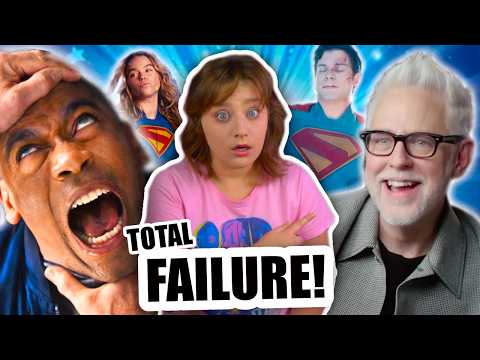
James Gunn's tenure as head of DC Studios has been marked by a series of missteps, underperforming projects, and a lack of clear direction, leading to the rapid decline of the DC cinematic universe. Despite initial hopes, key films and shows have failed to resonate with audiences, and the future of the franchise appears uncertain amid corporate changes and creative challenges.
Imagine being the CEO of a major entertainment company like Warner Brothers and appointing someone with no executive experience to lead an entire studio division, such as DC Studios. This person is a director known primarily for one successful franchise but lacks the background to manage a complex universe with diverse characters and fan bases. This scenario reflects the current state of the DC Universe (DCU) under James Gunn's leadership.
James Gunn, best known for directing the Guardians of the Galaxy films, was appointed to head DC Studios despite having no prior executive experience. His background includes directing horror-comedy films and the Scooby-Doo movie, but his biggest mainstream success was Guardians of the Galaxy. His appointment came after Warner Brothers struggled to find a suitable leader for DC Studios, even considering Todd Phillips, director of Joker, who openly dislikes DC comics.
Gunn's hiring was seen as a desperate move by Warner Brothers' executive David Zaslav, who needed fresh leadership after years of underperformance in the DC cinematic universe.
Upon taking charge, James Gunn announced an ambitious slate of movies and TV shows, reminiscent of Marvel's Kevin Feige-style planning. However, most of these projects have either been delayed indefinitely or canceled, rendering the slate largely meaningless.
Some of the announced projects included shows like Booster Gold and Waller, which failed to generate excitement among fans. Gunn managed to get a few projects off the ground, such as the Superman movie, Supergirl, and Clayface, but these have not been enough to build momentum.
The first major release under Gunn's DCU was the Superman movie, which sparked significant debate. While some fans praised it, many others disliked it, leading to a polarized reception. The Superman fan base, in particular, showed a cult-like defense of the film, often dismissing criticism as conspiratorial.
Financially, the movie grossed around $600 million, which, although better than other superhero films released that year, was below expectations and less than the original Man of Steel. The film's early release on streaming platforms fueled speculation about its box office performance.
During congressional hearings related to Netflix's acquisition of Warner Brothers, Netflix executive Ted Sarandos cited the Superman movie as an example of an underperforming film that moved to streaming earlier than usual.
This animated show failed to attract significant viewership and was largely forgotten by audiences.
Peacemaker was touted as a key series that would connect the DCU and justify not doing a full reboot. However, the second season failed to deliver on promised cameos and future setups, disappointing even the most loyal fans and killing momentum.
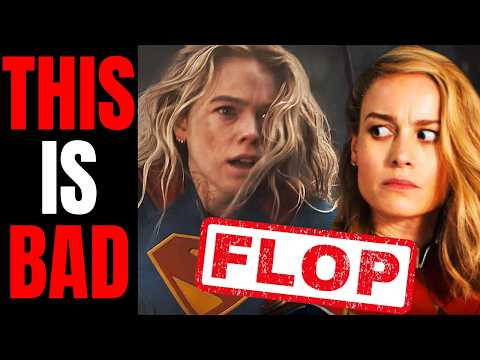
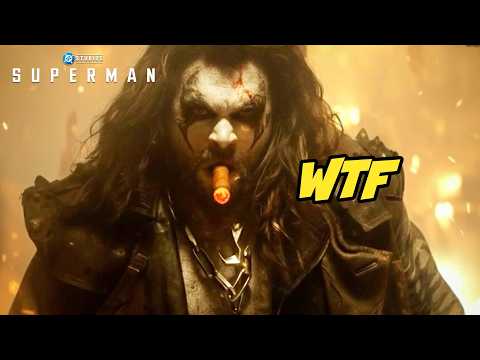
The Supergirl trailer received a mixed to negative response. Despite being directed by Craig Gillespie, the film was widely perceived as another James Gunn-style project, characterized by nihilism and subversive humor. The visual presentation, including a poorly lit first look at Lobo, failed to excite audiences, leading to predictions of a box office bomb.
The trailer for the Green Lantern show was poorly received, criticized for lacking the essence of the Green Lantern mythos. The show appeared to mimic grounded, serious TV dramas like True Detective, which clashed with the inherently fantastical nature of the Green Lantern character.
The acquisition of Warner Brothers by Paramount has added uncertainty to the DCU's future. There is speculation that James Gunn may leave due to perceived ideological differences with Paramount's leadership. However, these claims are likely exaggerated, and it is more plausible that Gunn will depart because of the overall failure of his tenure.
James Gunn's niche tastes, favoring nihilistic, subversive, and adult-oriented content, do not align well with the diverse and broad appeal required for the DC Universe. His style, successful in Guardians of the Galaxy, has not translated effectively to DC's characters, especially Superman.
Moreover, Gunn's lack of executive experience has shown in the poor management of the studio's slate and failure to build a cohesive and successful cinematic universe.
With the DCU's projects underperforming and the studio's leadership in flux, the future looks bleak. The upcoming Superman movie, "Man of Tomorrow," is uncertain, and many question whether it will even be completed.
The failure of the DCU under Gunn highlights the challenges of forcing a cinematic universe. Successful universes like Marvel's and the DC Animated Universe developed organically, starting with individual successful projects before expanding.
Attempting to plan an extensive 10-year slate without proven success is risky and often leads to wasted resources and audience fatigue.
James Gunn's DC Universe is facing a rapid decline due to a combination of poor leadership, misaligned creative vision, and underperforming projects. The ambitious plans have failed to materialize, and the franchise lacks momentum.
This situation serves as a cautionary tale about the importance of experienced leadership and organic growth in building successful cinematic universes.
As the DCU struggles, many fans and critics alike are calling for a shift away from forced cinematic universes toward creating quality standalone properties that resonate with audiences. Only time will tell if the DC Universe can recover from its current state or if it will remain a cautionary example in the entertainment industry.
Thank you for reading. What are your thoughts on James Gunn's DC Universe and its future?