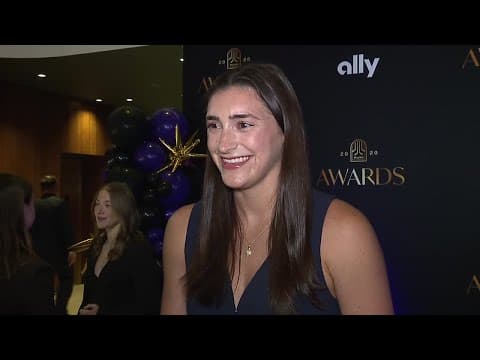
Jason Whitlock and Maurice discuss the controversial drafting decisions by the Indiana Fever, focusing on the selection of Raven Johnson over Caitlin Clark, team chemistry issues, and the broader implications for the WNBA. They also touch on the league's identity politics and recent comments by WNBA commissioner Kathy Engelbert.
In a recent discussion, sports commentator Jason Whitlock and WNBA fan Maurice delved deep into the Indiana Fever's recent draft decisions and the ongoing team dynamics, especially concerning star player Caitlin Clark. Their conversation highlights significant concerns about the Fever's management, player selections, and the broader cultural and identity issues within the WNBA.
Jason Whitlock expressed strong disapproval of the Indiana Fever's decision to draft Raven Johnson, a point guard, with the 10th pick. He described the choice as baffling and criticized the team's front office, including GM Amber Cox, Kelly Crossoff, and head coach Stephanie White, suggesting they should be fired due to poor decision-making.
Raven Johnson, standing at 5 feet 8 inches, has a history marked by tension with Caitlin Clark. Johnson publicly shared experiences of being bullied and facing racism, which she attributed to Caitlin Clark's fanbase. Whitlock found it illogical for the Fever to draft Johnson shortly after these revelations, especially given the existing chemistry issues within the team.
The Fever reportedly needed frontcourt depth and reliable shooters. Instead, they selected Johnson, whom Whitlock described as one of the worst offensive players in the draft. The decision compounded previous dissatisfaction with the team's free agency moves.
In the third round, the Fever again chose a 5'8" point guard instead of pursuing players more complementary to Caitlin Clark, such as Hannah Stoki. Whitlock questioned the scouting and strategic planning of the Fever's front office, emphasizing the potential negative impact on team chemistry.
The discussion highlighted past chemistry issues involving Caitlin Clark, including the departure of Dana Broner, who struggled with the attention and team role dynamics. Natasha Howard also reportedly faced similar challenges.
Whitlock and Maurice suggested that the Fever failed to learn from these experiences, instead adding potentially disruptive elements like Raven Johnson to the roster. They speculated that the Fever's management might be attempting to build a team that performs better without Caitlin Clark, rather than supporting and complementing her talents.
Maurice introduced the idea that Caitlin Clark's heterosexuality and profile might not align with the WNBA's prevailing culture and identity politics. He recounted a revelation about the league's internal dynamics, including the presence of many LGBTQ+ relationships among players, which he had not fully appreciated until recently.
This cultural aspect, combined with jealousy from other players about Clark's rising popularity and the influx of new fans she brought to the league, may contribute to the tensions surrounding her.
Both Whitlock and Maurice agreed that Caitlin Clark is the central figure driving the WNBA's recent surge in popularity, ratings, and revenue. They proposed nicknaming her "the reason for the season," acknowledging her significant impact on the league's visibility and success.
They contrasted this with other players and events, noting that attempts to downplay Clark's influence have not resonated with audiences.
The conversation also touched on the Dallas Wings' draft strategy, particularly their selection of Lauren Betts, a 6-foot-7 player, and Ay Fudd, a shooter with a notable connection to Paige Beckers.
Whitlock criticized Ay Fudd's selection as a number one pick, suggesting it was influenced more by personal relationships than merit. He described the draft as resembling reality TV drama, with players' personal lives and relationships playing a visible role.
The discussion concluded with a look at WNBA commissioner Kathy Engelbert's response to questions about her future with the league. Engelbert emphasized the focus on the league's growth and the many women leading its operations, rather than on herself.
Whitlock and Maurice criticized Engelbert's reaction, suggesting that she deflected a reasonable question and highlighted a sense of entitlement. They noted that many expected her to be fired following public controversies involving the Indiana Fever's coaching staff and management.
The dialogue between Jason Whitlock and Maurice paints a picture of a WNBA team struggling with management decisions, team chemistry, and cultural dynamics. The Indiana Fever's drafting choices, particularly the selection of Raven Johnson over Caitlin Clark, have sparked significant debate about the team's direction and priorities.
Moreover, the broader discussion about identity politics within the WNBA and the league's leadership adds layers of complexity to the ongoing narrative. As Caitlin Clark continues to be a pivotal figure in the league's success, how teams and management navigate these challenges will be crucial for the WNBA's future.
The upcoming season promises to be one filled with both on-court competition and off-court storylines that will shape the league's trajectory.