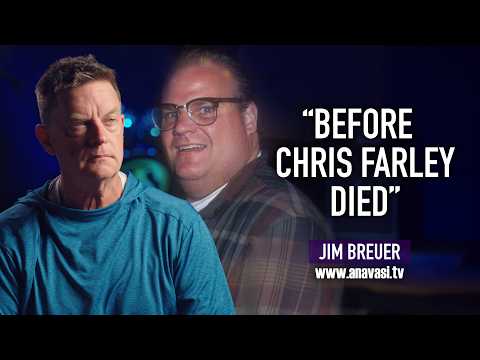
Jim Breuer shares a heartfelt account of Chris Farley's struggles with addiction and the harsh realities of Hollywood vanity during their time at Saturday Night Live. Despite Farley's immense talent and kindness, the pressures of fame and the entertainment industry led to a tragic decline, highlighting how the pursuit of stardom often overshadows personal well-being.
Jim Breuer, a comedian and former cast member of Saturday Night Live (SNL), shares a deeply personal and revealing story about his experiences with Chris Farley, a beloved comedian and actor. Breuer's account sheds light on the devastating effects of vanity and the entertainment industry's harsh realities, particularly how they contributed to Farley's struggles and eventual downfall.
Before Chris Farley hosted SNL, Jim Breuer did not know him personally. Breuer describes himself as coming from a blue-collar background, enjoying conversations with the crew and staff behind the scenes rather than focusing solely on the stars. When Farley arrived, everyone from the camera crew to the wardrobe department spoke highly of him, praising his great mood and kind soul.
Breuer learned that Farley volunteered at a church on weekends, which painted a picture of a genuinely good person. This made Breuer eager to connect with him, hoping their friendship might open doors in the industry.
Despite the warm reception, Breuer soon witnessed troubling signs. Farley appeared to be struggling with substance abuse. Breuer recounts an incident where Farley came into his office, knowing Breuer had marijuana, and took a hit with him. However, during a pitch meeting with the show's producers, Farley was visibly unwell—twitching, sweating, and itching.
Producers warned Breuer and others about Farley's condition, emphasizing the seriousness of the situation. They had a 24-hour nurse and handlers to monitor him, indicating the severity of his struggles.
One night, Breuer encountered a distressing scene in his office: two women and Farley were present, and Farley threw down a powder, implying drug use. This moment deeply unsettled Breuer, who immediately distanced himself and informed the head writers. The response was grim; everyone acknowledged the problem but seemed resigned to continuing the show despite the risks.
During a table read, Farley experienced a nosebleed so severe that a blood vessel came out. In a shocking display, he scooped it up and put it back in his pocket, continuing his performance. This incident underscored the physical toll his lifestyle was taking.
Breuer also noticed the presence of people around Farley who seemed to have a negative influence, describing them as "demons." Despite recognizing Farley's dire situation, no one intervened decisively to halt the show or provide the help he desperately needed.
Breuer reflects on the entertainment industry's obsession with fame, money, and appearances. He criticizes agents, managers, and producers for prioritizing the show and their own interests over Farley's health and life. The pressure to maintain the spotlight and the allure of vanity overshadowed the urgent need for intervention.
Late one night, Farley called Breuer from a party, inviting him to join. Breuer declined, sensing the danger. During the call, Farley asked a poignant question: "Am I funny, or am I just the fat stupid guy?" This moment revealed Farley's deep insecurities and pain despite his success and wealth.
Breuer reassured him, sharing the positive things people had said about him and reminding him of his genuine kindness and talent. Farley expressed trust in Breuer, but the conversation left a lasting impression of a man struggling to hold onto his identity amid the chaos.
Jim Breuer's account of Chris Farley's time at SNL is a sobering reminder of the destructive power of vanity and the entertainment industry's often callous nature. Farley's story illustrates how fame and success can mask profound personal struggles and how the pursuit of stardom can come at the cost of one's soul and life.
Breuer's reflections call for greater compassion and responsibility within the industry to protect the well-being of artists beyond their public personas.