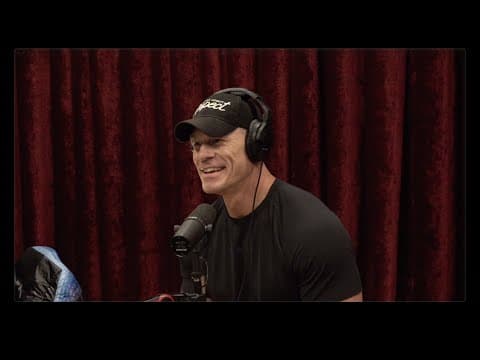
In an extensive conversation on the Joe Rogan Experience, John Cena discusses his decade-long journey learning Mandarin to help WWE break into China, the challenges of pain management without opioids despite multiple surgeries, the evolution of his wrestling career including his iconic heel turn, and his philosophy on gratitude, perseverance, and living a meaningful life beyond wrestling and acting.
John Cena, a renowned professional wrestler and actor, recently appeared on the Joe Rogan Experience podcast, where he shared a wealth of experiences and insights from his multifaceted career and personal life. This comprehensive discussion covered his dedication to learning Mandarin, his approach to pain management, the intricacies of professional wrestling, and his broader philosophy on life and success.
John Cena embarked on the challenging journey of learning Mandarin Chinese, dedicating around ten years to the language. His motivation stemmed from WWE's ambition to expand into China, a market that initially did not understand professional wrestling. Cena believed that having a WWE superstar fluent in Mandarin could help bridge cultural gaps and introduce wrestling to Chinese audiences.
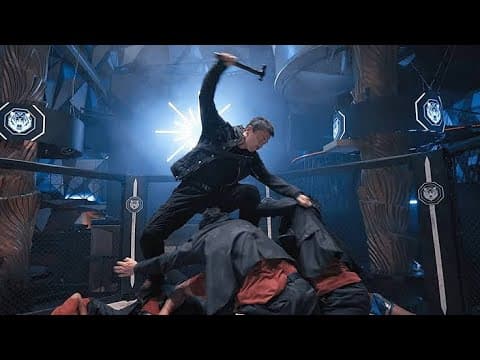
He studied Mandarin extensively, including living in Inner Mongolia for about six to seven months while filming a movie with Jackie Chan. Despite his efforts, Cena humbly admits he never reached conversational fluency, especially in reading Chinese characters, which he found particularly difficult. He primarily focused on spoken Mandarin and phonetics (pinyin).
However, Cena learned a crucial lesson: knowing a language does not equate to understanding the culture. This became evident during a global press tour when a teleprompter script mistakenly referred to Taiwan as a country, a sensitive geopolitical issue in China. This incident led to controversy, forcing Cena to apologize to Chinese audiences, which in turn upset some fans in the United States. Cena took full responsibility for the mistake, emphasizing the importance of cultural awareness beyond language proficiency.
Cena discussed the origins and growth of professional wrestling, highlighting its carnival roots and territorial nature before becoming a national and global entertainment phenomenon. WWE has evolved to offer more benefits and educational opportunities to its talent, including free second language programs, which Cena took advantage of.
He reflected on the demanding schedule of WWE performers, who often work over 200 shows a year, enduring physical trauma and constant travel. Despite the grueling nature of the job, Cena emphasized the collaborative aspect of wrestling, where performers work together to entertain audiences, contrasting it with the competitive nature of UFC fights.
Cena also shared stories about iconic wrestling figures such as Vince McMahon, Stone Cold Steve Austin, and Triple H, expressing interest in having them on the Joe Rogan Experience podcast. He praised the creativity and storytelling involved in wrestling, including his own memorable heel turn at WrestleMania, where he adopted a cold, no-nonsense persona that captivated audiences.
Throughout his wrestling career, Cena has undergone numerous surgeries, including neck fusion, triceps reattachments, and nose reconstruction. Remarkably, he has never taken opioid painkillers, relying instead on his high pain tolerance and understanding of his body's signals.
Cena explained that numbing pain with medication can hinder recovery by preventing individuals from recognizing when to rest or adjust their physical activity. His approach reflects a deep awareness of the risks associated with opioid use and a commitment to natural healing processes.
Cena's transition from wrestling to acting was initially challenging. Early in his film career, he struggled with the slower pace and downtime on set, which contrasted with the high-energy environment of wrestling. However, with patience and persistence, he gradually found his footing, taking small roles and learning from experienced comedians and actors.
He credits opportunities from figures like Judd Apatow, Amy Schumer, and Tina Fey for helping him develop his acting skills. Cena emphasizes the importance of being coachable, professional, and open to new experiences in entertainment.
A significant portion of the conversation delved into Cena's personal philosophy. He expressed profound gratitude for the opportunities he has received, acknowledging that he was "not supposed to be here" given his humble beginnings in West Newbury, Massachusetts.
Cena advocates for embracing life's challenges and learning from failures rather than blaming others. He shared a touching story about reconciling with his father, highlighting the importance of meeting people where they are and letting go of unrealistic expectations.
He also discussed the value of perseverance, discipline, and accountability, drawing parallels between his wrestling career and other demanding professions. Cena believes that success is not solely about talent but about the willingness to endure hardships and continuously improve.
Cena and Joe Rogan explored the similarities between professional wrestling and stand-up comedy, particularly the dynamic relationship with the audience. Both rely heavily on reading the crowd and adapting performances in real-time to maintain engagement.
Cena praised the universal human emotions portrayed in wrestling—betrayal, jealousy, anger, excitement—which transcend language and cultural barriers. He also shared anecdotes about innovative wrestling moments, such as Dominic Mysterio's creative cheating tactics that delighted fans.
As Cena approaches retirement from wrestling, he reflects on the transient nature of fame and success. He acknowledges that after he retires, the spotlight will move on, and he is at peace with that reality.
His goal is to live a useful and meaningful life, continuing to tell stories and contribute positively, whether through acting or other pursuits. Cena remains curious and open to new experiences, valuing deep connections with friends and family.
John Cena's conversation on the Joe Rogan Experience offers a rare and insightful glimpse into the life of a professional wrestler turned actor and cultural ambassador. His dedication to learning, resilience in the face of physical and emotional challenges, and grounded philosophy on gratitude and perseverance provide valuable lessons for anyone striving to succeed in demanding fields.
Cena's story is a testament to the power of hard work, humility, and embracing opportunities—even when they come with risks and setbacks. As he transitions to new chapters in his life, his legacy in wrestling and entertainment continues to inspire millions worldwide.
This interview not only highlights the multifaceted nature of John Cena's career but also underscores universal themes of growth, accountability, and the pursuit of purpose.