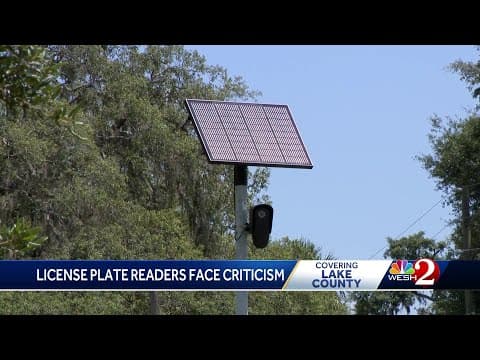
Lake County has implemented automatic license plate readers (ALPRs) to assist in tracking suspects and missing persons. While the technology has shown effectiveness, it faces criticism regarding privacy concerns. County officials and residents are divided on its implications for community trust and safety.
In Lake County, deputies have begun utilizing automatic license plate readers (ALPRs) as part of their efforts to track down suspects and locate missing individuals. Although the program was approved a few years ago, its implementation is just now gaining momentum. This technology has sparked a debate about its effectiveness versus the potential invasion of privacy it represents.
The Lake County Sheriff's Office emphasizes the importance of ALPRs in their investigative processes. These cameras, which are often unnoticed by the public, scan vehicles as they pass by, providing crucial data for law enforcement. According to Deputy Stephanie Early, the system is primarily used for evidence gathering in various cases, including:
The ALPRs have been particularly beneficial in responding to Silver Alerts, which are issued for missing seniors with cognitive impairments. The Sheriff's Office reports that the rollout of these readers is ongoing, with plans to expand their presence in the future.
The Lake County Commission approved the installation of 108 ALPRs on public rights of way in 2022, with additional locations sanctioned since then. This decision reflects a growing trend among law enforcement agencies to adopt technology that aids in crime prevention and resolution.
Despite the potential benefits, the use of ALPRs has not been without controversy. County Commissioner Anthony Sabatini, who was not in office during the approval process, has voiced strong opposition to the technology. He argues that ALPRs represent a gross violation of privacy rights and undermine the community's trust. Sabatini believes that the presence of such surveillance systems creates a "Big Brother" environment, which he deems fundamentally wrong.
Sabatini has pledged to vote against the county budget if it allocates funds for the continued use of ALPRs, highlighting a significant divide among local officials regarding the balance between public safety and individual privacy rights.
Despite the criticisms, the Sheriff's Office points to successful outcomes facilitated by the use of ALPRs. For instance, they were able to track down a man who had made suicidal threats earlier this year, allowing them to provide necessary mental health resources. Such instances illustrate the potential life-saving capabilities of this technology, even as the debate over its ethical implications continues.
The implementation of automatic license plate readers in Lake County represents a complex intersection of technology, law enforcement, and civil liberties. While the technology has proven effective in aiding investigations and enhancing public safety, it raises significant concerns regarding privacy and community trust. As the program continues to evolve, it will be crucial for local officials and residents to engage in open dialogue about the implications of surveillance technology in their community.