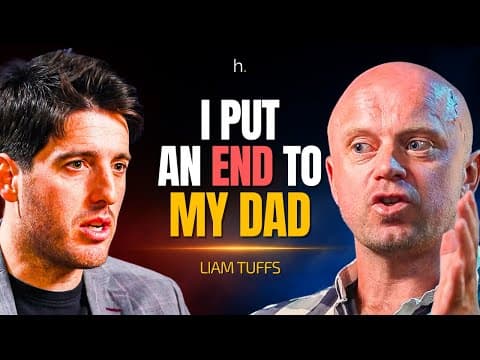
In a candid interview, Liam Tuffs reveals the harrowing experiences of his childhood with his father, Peter Gillette, a convicted abuser. He discusses the impact of grooming gangs, the media's role in perpetuating lies, and his friendship with Tommy Robinson. Tuffs emphasizes the importance of speaking out against injustice and protecting vulnerable individuals, sharing his journey of healing and empowerment.
In a shocking and deeply personal interview, Liam Tuffs opens up about his tumultuous childhood with his father, Peter Gillette, a man he describes as a bully, narcissist, and prolific liar. Tuffs shares his experiences of abuse and grooming, shedding light on the broader issues of child exploitation and the media's complicity in covering up these crimes. This blog post delves into Tuffs' revelations, his friendship with controversial figure Tommy Robinson, and his commitment to advocating for the innocent.
Peter Gillette is not just any father; he is a convicted abuser whose actions have left a lasting impact on many lives, including Tuffs'. Tuffs describes his father as a manipulative and wretched individual who engaged in classic grooming behaviors. From a young age, Tuffs experienced inappropriate and abusive behavior from Gillette, which he later recognized as grooming.
Tuffs recounts disturbing memories from his childhood, including instances where his father would take him to public restrooms and engage in inappropriate behavior. These experiences were normalized for Tuffs at the time, as he did not understand that they were wrong. It wasn't until years later, when he spoke with friends who had similar experiences, that he began to comprehend the gravity of his father's actions.
Tuffs emphasizes the importance of addressing the issue of grooming gangs, which have been a significant problem in the UK for decades. He expresses outrage at how victims are often dismissed or labeled as racists for speaking out about their experiences. Tuffs believes that the media and elites have a responsibility to acknowledge these issues rather than ignore them.
Throughout the interview, Tuffs criticizes the mainstream media for perpetuating lies and failing to report the truth about grooming gangs. He shares his frustration with how the media often targets individuals like Tommy Robinson, who speak out against these injustices. Tuffs argues that the media collaborates with the government to silence dissenting voices, leading to a culture of fear and misinformation.
Liam Tuffs is a close friend of Tommy Robinson, a controversial figure known for his outspoken views on immigration and grooming gangs. Tuffs explains how their friendship developed after Robinson dismantled the English Defence League (EDL). Despite initial concerns about Robinson's reputation, Tuffs conducted his own research and found no evidence to support claims of racism against him.
Both Tuffs and Robinson share a commitment to protecting vulnerable individuals, particularly children. Tuffs believes that it is crucial to speak out against injustices and support those who have been victimized. He admires Robinson's relentless pursuit of truth and justice, despite the backlash he faces from the media and political elites.
Tuffs discusses the emotional toll of growing up with an abusive father and the journey he has taken to heal from his past. He acknowledges that while he still loves his father, he cannot condone his actions. Tuffs emphasizes the importance of confronting one's trauma and using it as a source of strength to help others.
Throughout the interview, Tuffs expresses a deep-seated anger towards his father and the injustices he has witnessed. He believes that tapping into this anger can be a powerful motivator for change. Tuffs encourages others to embrace their emotions rather than suppress them, as this can lead to personal growth and empowerment.
Liam Tuffs' story is a harrowing reminder of the impact of abuse and the importance of speaking out against grooming gangs and other forms of exploitation. His friendship with Tommy Robinson highlights the need for individuals to stand up for the vulnerable and challenge the narratives perpetuated by the media. Tuffs' journey of healing serves as an inspiration for others who have faced similar struggles, reminding us that it is possible to turn pain into purpose and advocate for justice.