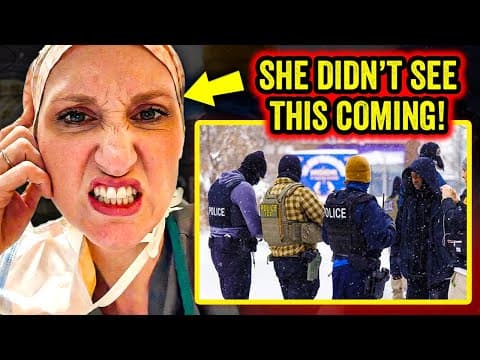
A nurse anesthetist named Melinda Cook posted videos on TikTok encouraging healthcare workers to poison ICE agents, sparking outrage and leading to her termination. This incident highlights concerns about ideological radicalization within the healthcare profession, fueled by diversity, equity, and inclusion (DEI) initiatives. Experts warn that ideological capture threatens the core mission of healthcare professionals.
Recently, a disturbing trend has emerged within the healthcare profession, particularly among nurses, where ideological extremism appears to be influencing professional conduct. This article explores the case of Melinda Cook, a nurse anesthetist who publicly advocated poisoning federal Immigration and Customs Enforcement (ICE) agents in her care. The incident has sparked widespread outrage and raised questions about the impact of diversity, equity, and inclusion (DEI) initiatives on the healthcare system.
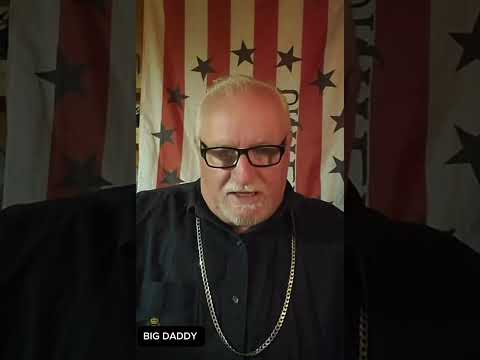
Melinda Cook, a licensed nurse anesthetist, uploaded several videos to her TikTok account encouraging healthcare colleagues to sabotage ICE agents. In her videos, she suggested tactics such as using syringes filled with saline or succinylcholine as a deterrent, spraying poison ivy or poison oak water at ICE agents, and even encouraging others to incapacitate agents by tampering with their food and drinks.
Some of her statements included:
These suggestions were not isolated; multiple videos showed similar calls for harm against ICE agents.
Such behavior has been described as psychopathic and symptomatic of a broader political pathology. The concept of "political ponerology," studied by Polish psychologist Andrzej Łobaczewski, refers to the study of political evil and the rise of pathocracies—governments dominated by individuals with psychopathic tendencies.
Łobaczewski's research suggests that when psychopaths occupy positions of power, societies can become hysterical and dysfunctional. This phenomenon is not limited to government but extends to professional and credentialed classes, including healthcare.
Melinda Cook is not an isolated case. Another example is Lexie Lawler, a labor and delivery nurse at Boca Raton Regional Hospital, who posted a TikTok video expressing joy at the prospect of a political figure suffering a severe childbirth injury known as a fourth-degree tear. Such statements violate the Hippocratic ethical standards that govern medical practice.
The radicalization of healthcare professionals is linked to the rise of DEI programs. In 2011, President Obama signed Executive Order 13583, establishing a government-wide initiative to promote diversity, equity, and inclusion in the federal workforce. This order led to the implementation of DEI hiring and training standards across professions, including healthcare.
Human resources departments have become the enforcers of these standards, influencing not only hiring but also professional training and accreditation. Critics argue that this has led to ideological capture, where professionals prioritize political agendas over their core mission.
Following the viral spread of Melinda Cook's videos, VCU Health placed her on administrative leave and launched an investigation. Within 12 hours, she was terminated and reported to state authorities. Legal experts suggest she could face charges for solicitation to commit a felony.
Similarly, Lexie Lawler was fired and had her medical license revoked.
The infiltration of ideological extremism into healthcare threatens the foundational principles of the profession. Healthcare workers are increasingly viewing political opponents as existential threats rather than patients or colleagues, leading to calls for harm and sabotage.
This ideological capture undermines the objective expertise and patient care that healthcare professionals are sworn to uphold. It raises concerns about the future of medical ethics and the safety of patients under the care of radicalized professionals.
The case of Melinda Cook exemplifies the dangers of ideological radicalization within the healthcare profession. While DEI initiatives aim to promote inclusivity, their implementation has, in some cases, contributed to the politicization of healthcare workers, compromising their ethical obligations.
It is imperative for healthcare institutions and regulatory bodies to address this issue by reaffirming professional standards and ensuring that political agendas do not interfere with patient care and safety.
In the video, the host also highlighted the importance of emergency preparedness, showcasing a compact, heat-reflective emergency sleeping bag designed to protect individuals from hypothermia in adverse conditions. This serves as a reminder of the practical measures individuals can take to ensure safety in emergencies.
This article aims to provide a comprehensive overview of the incident involving Melinda Cook and the broader context of ideological influence in healthcare, emphasizing the need for vigilance and accountability in maintaining the integrity of medical professions.