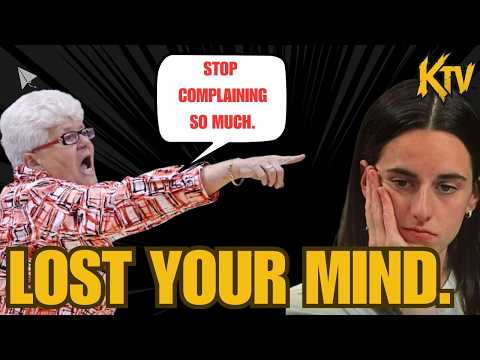
Lin Dunn, associated with the Indiana Fever, posted a controversial message categorizing types of complainers, which many fans interpreted as a criticism of their concerns about the team's performance and management. Additionally, WNBA player Erica Wheeler faced backlash for mocking middle-class Americans after a significant pay raise, sparking debate about player-fan relations and professionalism in the league.
Recently, Lin Dunn, a prominent figure associated with the Indiana Fever, sparked controversy with a Twitter post that many fans interpreted as a direct criticism of their complaints regarding the team's performance and management decisions. This incident has stirred significant discussion among the Fever's fanbase and the wider WNBA community. Additionally, WNBA veteran Erica Wheeler has come under fire for comments perceived as mocking middle-class Americans following an 800% pay raise, further fueling tensions between players and fans.
Lin Dunn shared a detailed post on Twitter outlining "Four Types of Complainers," which included:
Dunn emphasized the importance of leaders creating pathways for complaints to become productive tools for team improvement. She noted that ignoring complaints can lead to ongoing problems, decreased engagement, high turnover, and damage to the team's reputation. She also highlighted that suggestions are more positively received than complaints and that leaders must guide observers on how to best express their ideas.
Many Indiana Fever fans have been vocal about their dissatisfaction with the team's recent decisions, including criticism of the front office and draft picks, such as the selection of Raven Johnson at number 10. Fans have also expressed concerns about Caitlin Clark's role on and off the ball.
The timing of Dunn's post, shortly after increased fan criticism, led many to believe it was a response aimed at silencing or dismissing fan concerns. This perception has caused frustration among the fanbase, who see themselves as consumers entitled to voice their opinions about the team they support.
The situation is further complicated by Dunn's recent role, which was initially thought to be overseeing Stephanie White to ensure proper management of Caitlin Clark's development. Instead, it appears Dunn is now engaging in the discourse surrounding fan complaints, which some view as inappropriate.
Adding to the tension, WNBA veteran Erica Wheeler made headlines for mocking middle-class Americans for being "broke" after receiving an 800% pay raise. Wheeler suggested that critics were jealous of WNBA players making money and implied that many do not earn $150,000 a year.
This statement was met with backlash, as many pointed out that most players were not earning such salaries just months prior. Fans and commentators criticized Wheeler for appearing dismissive and out of touch with the financial realities of many supporters.
Wheeler's actions, including promoting her OnlyFans account for a cause, were seen as contradictory when coupled with her comments mocking fans' financial situations.
These incidents highlight a growing divide between WNBA players, management, and fans. Fans feel alienated when their concerns are dismissed or mocked, especially when they contribute significantly to the league's revenue through ticket sales, merchandise, and viewership.
There is a call for mandatory media training and social media etiquette for players to better navigate public interactions and maintain positive relationships with fans. The lack of such training has led to players making statements that can damage their image and the league's reputation.
The recent controversies involving Lin Dunn and Erica Wheeler underscore the challenges the Indiana Fever and the WNBA face in balancing player empowerment, management decisions, and fan engagement. While leadership must foster a positive team culture and address legitimate concerns, dismissing or mocking fans risks alienating the very supporters who sustain the league.
As the Fever navigate these turbulent times, it remains crucial for all parties to engage respectfully and constructively to ensure the growth and success of the team and the WNBA as a whole.
Fans and followers are encouraged to share their thoughts and engage in the conversation about these developments. Open dialogue can help bridge gaps and foster a more inclusive and supportive environment for everyone involved in women's basketball.
Keep the vision alive by staying informed and involved.