
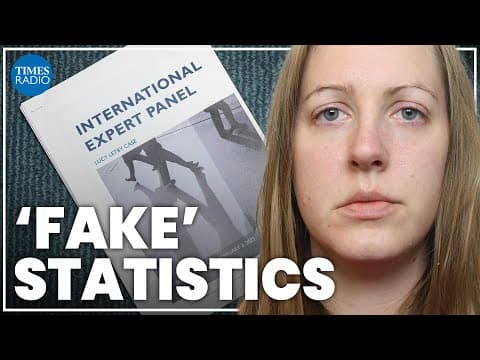
The trial of Lucy Letby, a nurse accused of murdering infants, has raised significant concerns regarding the statistical evidence used in her conviction. Experts argue that the statistical constructs were flawed and misapplied, leading to potential miscarriages of justice. This blog post explores the implications of these findings and the ongoing debate surrounding the case.
The trial of Lucy Letby, a nurse accused of murdering seven babies and attempting to murder 15 others, has sparked intense debate over the validity of the statistical evidence that contributed to her conviction. Many experts, including statisticians and medical professionals, have raised concerns about the reliability and application of this evidence, labeling it as flawed and potentially misleading.
Lucy Letby was charged in October 2021, and the case quickly garnered national attention due to the tragic nature of the allegations. The prosecution's case relied heavily on statistical evidence, which was presented as a key factor in establishing a pattern of harm associated with Letby. However, as the trial progressed, questions arose regarding the integrity of this statistical analysis.
Peter Elston, a statistician and fellow of the Royal Statistical Society, expressed his concerns about the potential for a miscarriage of justice in this case. With over 35 years of experience in the financial sector, Elston recognized the importance of applying statistical methods correctly, especially in cases involving clusters of events, such as the unexpected deaths of infants in a hospital setting.
Elston noted that similar statistical misapplications have occurred in other high-profile miscarriage of justice cases, such as the wrongful conviction of Sally Clark, a mother accused of killing her two children. In these instances, flawed statistical interpretations led to devastating consequences for the accused.
During the trial, the prosecution presented various forms of evidence, including:
However, Elston and other experts have pointed out significant flaws in the statistical evidence used to convict Letby. They argue that the statistical constructs were not only misapplied but also lacked the necessary rigor to support the claims made against her.
The Royal Statistical Society and other experts have criticized the prosecution for relying on what they termed a "statistical abomination." One statistician even referred to the evidence as a "scientific fake." This criticism highlights the potential dangers of using statistical data without proper context or understanding.
Elston emphasized that the evidence presented did not adequately account for other factors that could explain the spike in infant mortality rates, such as understaffing, procedural failures, and other systemic issues within the hospital. He pointed out that there were more deaths than those attributed to Letby, raising questions about whether there were other underlying causes or factors at play.
Following the trial, 14 medical experts from various countries have questioned the validity of the evidence used against Letby. They argue that many of the deaths attributed to her could have been caused by natural factors or suboptimal care rather than intentional harm. This has led to calls for a thorough review of the evidence and the statistical methods employed during the trial.
Elston advocates for a comprehensive examination of the statistical evidence, arguing that it should not be overlooked in favor of solely medical evidence. He believes that a more nuanced understanding of the data is essential to prevent further miscarriages of justice.
The Lucy Letby trial serves as a critical reminder of the importance of accurate statistical analysis in legal proceedings. As the debate continues, it is clear that the implications of this case extend beyond the courtroom, raising fundamental questions about the intersection of statistics, medicine, and justice. The Criminal Cases Review Commission is expected to review the findings presented by Letby's legal team, and the outcome could have significant ramifications for the future of similar cases.
As more experts weigh in on the validity of the evidence used in this trial, the call for a reevaluation of the statistical methods employed grows louder. The potential for a miscarriage of justice looms large, underscoring the need for rigorous standards in the application of statistical evidence in criminal cases.



















