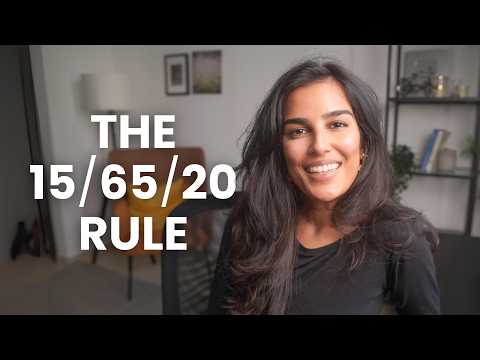
The 15-65-20 rule is a simple yet effective money management strategy that emphasizes saving 15% of your income, allocating 65% to essential expenses, and using 20% for personal enjoyment. This approach helps individuals manage their finances like the top 1%, ensuring long-term security and fulfillment.
Managing money effectively is not solely about how much you earn; it’s about how you manage what you make. This principle is a key lesson learned from years of experience in investment banking, particularly when working with high net worth clients. The strategies employed by the top 1% to grow and protect their wealth can be applied by anyone, regardless of income level. In this article, we will explore the 15-65-20 rule, a straightforward and proven approach to managing your finances like a financial expert.
The first component of the 15-65-20 rule is saving 15% of every dollar you earn. This practice is crucial for two main reasons:
Having a solid emergency fund is essential for financial security. Life is unpredictable, and unexpected expenses such as medical bills or car repairs can arise at any moment. Without a financial cushion, these surprises can lead to significant stress and potential debt. By saving 15%, you can build an emergency fund that covers at least one month of essential expenses, which includes necessities like rent, groceries, and utilities, excluding discretionary spending.
Once you have established a one-month cushion, aim to save enough to cover three to six months of essential expenses. This level of savings provides peace of mind, allowing you to focus on addressing emergencies rather than worrying about finances.
Saving is not just about having money set aside; it’s also about making that money grow. The power of compound interest can significantly increase your wealth over time. For example, consider two individuals: Janet and Mike. Janet invests $10,000 at age 30 and earns a 6% return annually without adding more money for 20 years. By age 50, her investment grows to $32,071. In contrast, Mike waits until age 40 to start investing, contributing $2,000 annually for 10 years, resulting in a total of $27,944 by age 50. The difference illustrates the importance of starting early and allowing your investments to compound over time.
The second part of the 15-65-20 rule involves allocating 65% of your income to essential expenses. These include necessary costs such as housing, transportation, and utilities. However, managing these expenses can be challenging, especially as lifestyle inflation can lead to increased spending.
To prevent your expenses from spiraling out of control, it’s vital to set a firm limit on your essential spending. Analyze your spending habits to identify your largest expenses and look for ways to optimize them. For instance, can you negotiate a better rent deal or find more affordable transportation options? The goal is to keep your core expenses manageable, allowing for more flexibility in your budget.
The final component of the 15-65-20 rule is dedicating 20% of your income to enjoyment and personal fulfillment. This aspect is crucial for maintaining a balanced life and avoiding burnout. Studies show that individuals who allow themselves some flexibility in their budgets are more likely to stick to their financial goals.
This 20% can be viewed as an investment in your well-being. Allowing yourself to enjoy life—whether through dining out, traveling, or pursuing hobbies—can enhance your motivation and energy levels. It’s essential to give yourself permission to spend this portion of your income guilt-free, as it can ultimately support your long-term financial plans.
The 15-65-20 rule offers a practical framework for managing your finances like the top 1%. By saving 15% of your income, controlling your essential expenses at 65%, and allowing yourself to enjoy 20%, you can achieve financial security and a fulfilling life. Implementing this strategy can help you navigate financial challenges while ensuring you have the freedom to enjoy your hard-earned money. Start today, and take control of your financial future!