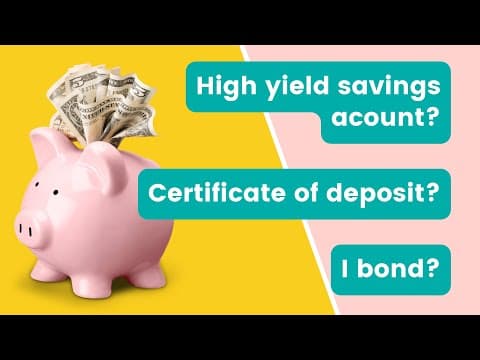
This article explores three essential savings vehicles: high-yield savings accounts, certificates of deposit (CDs), and inflation-linked savings bonds (I Bonds). Each option offers different benefits and risks, helping you make informed decisions to maximize your savings returns.
In today's financial landscape, many people find that their traditional savings accounts yield minimal interest—often around 0.06%. This means that for every thousand dollars saved, one might earn only 60 cents in a year. To put this into perspective, you could earn more by simply cleaning out your coat pockets than by keeping your money in a standard savings account. Therefore, it is crucial to explore better options for saving money safely while earning decent returns. This article will delve into three key savings vehicles: high-yield savings accounts, certificates of deposit (CDs), and inflation-linked savings bonds (I Bonds).
High-yield savings accounts are often likened to a bike with training wheels, providing a simple and effective way to start saving. These accounts typically offer interest rates that are ten times higher than those of traditional savings accounts, making them a popular choice among personal finance experts.
When searching for a high-yield savings account, be cautious of accounts that advertise unusually high interest rates, as they may come with hidden fees. Always do the math to ensure that the account is genuinely beneficial.
Certificates of deposit, or CDs, represent a more advanced savings option. When you invest in a CD, you lend your money to the bank for a fixed period, which can range from three months to ten years. In return, you receive a higher interest rate than a traditional savings account.
While CDs offer better interest rates, they come with penalties for early withdrawal. If you need access to your funds before the term ends, you may incur fees. Additionally, if interest rates rise after you lock in your CD, you may miss out on better returns.
I Bonds are designed to protect your savings from inflation. They adjust their interest rates based on inflation rates, making them a unique savings vehicle.
I Bonds come with specific rules: you cannot access your money for the first year, and there are penalties for early withdrawal within the first five years. This makes I Bonds suitable for those who do not need immediate access to their funds and are looking for long-term growth.
Choosing the right savings vehicle depends on your financial goals, risk tolerance, and need for liquidity. High-yield savings accounts are great for beginners, CDs offer a middle ground for those looking to save for specific goals, and I Bonds provide a robust option for inflation protection. Always stay informed about current interest rates and consult with a financial advisor to determine the best option for your unique situation. By understanding these three accounts, you can make smarter decisions about your savings and maximize your returns.