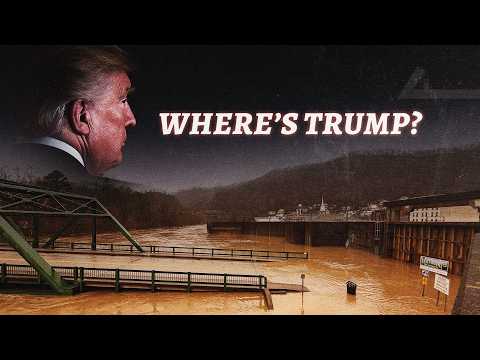
The catastrophic flooding in West Virginia has left communities devastated, with residents struggling for basic needs and feeling abandoned by government aid. Local efforts to provide support highlight the resilience of the community amidst a backdrop of neglect and distrust towards federal assistance.
The recent catastrophic flooding in West Virginia has brought to light the struggles faced by some of the poorest counties in America. As communities grapple with the aftermath, the lack of media coverage and government assistance has left many feeling abandoned. This blog post explores the devastation, the community's response, and the ongoing challenges faced by residents.
Driving through the flooded areas reveals a heartbreaking reality. Many residents have lost everything, with some even sleeping in their yards. One local resident described the situation as "chaos, times a thousand," emphasizing the emotional toll of witnessing such destruction.
Despite the overwhelming devastation, national news coverage has been sparse. A local resident expressed frustration, stating, "You absolutely have to beg people to pay attention. It's like, 'Look, we're dyin’. Hey, we're dead now!'" This sentiment reflects a broader concern that the plight of these communities is being overlooked.
The response from government agencies has been disappointing for many residents. One individual remarked, "I don't expect to get anything from the government, because they're never here. They never help." This sentiment was echoed by others who have historically felt neglected by both state and federal authorities.
FEMA, the Federal Emergency Management Agency, has been criticized for its inadequate response. A local leader stated, "FEMA has turned out to be a disaster," highlighting the community's frustration with the agency's performance. In the wake of the flooding, West Virginia's Governor Morrisey claimed that the state's response was proactive, but many residents feel that their needs are not being met.
In the absence of substantial government aid, the community has come together to support one another. Local organizations have been staging supplies and distributing food and water to those in need. One volunteer noted, "When something bad happens, you come together. That's the West Virginia way."
Efforts to provide assistance have been remarkable. Volunteers have distributed thousands of meals and cases of water, showcasing the strength and solidarity of the community. However, the reality remains that many residents are still without housing and basic necessities.
The distrust of government assistance runs deep in West Virginia. Residents have witnessed the extraction of resources from their state without corresponding investment in infrastructure or support. One local stated, "Neither side, Democrat or Republican, has ever come through for the people here."
West Virginia has long been one of the poorest states in the nation, with a history of economic exploitation. The community's struggles with poverty, addiction, and inadequate infrastructure have only been exacerbated by the recent flooding.
As the community looks to the future, there is hope that political leaders will step up to provide the necessary support. Many residents expressed a desire for President Trump to fulfill his promises to forgotten places like West Virginia. However, skepticism remains regarding the effectiveness of FEMA and state-level support.
Governor Morrisey's request for a major disaster declaration from President Trump aimed to unlock funding for recovery efforts. Yet, the reality is that the state is facing a significant budget deficit, raising concerns about its ability to provide adequate assistance.
The flooding in West Virginia has highlighted the resilience of its communities amidst overwhelming challenges. While local efforts to support one another are commendable, the lack of government assistance raises critical questions about the future of these areas. As residents continue to rebuild, they remain hopeful for a response that acknowledges their struggles and provides the necessary resources to recover from this disaster. The beauty of West Virginia lies not only in its landscapes but in the strength and generosity of its people, who continue to support each other in the face of adversity.