This blog post explores the various methods to cross the Europe-Russia border, detailing the challenges and loopholes involved in air travel, train journeys, and land crossings, ultimately highlighting a unique bus service in Arctic Norway as the most viable option.
Crossing the Russian border from Europe has become increasingly complicated due to geopolitical tensions and travel restrictions. Whether you are visiting relatives, seeking authentic cuisine, or simply indulging in a curiosity about border facts, understanding the current landscape of travel between Europe and Russia is essential. This post will explore the various methods available for crossing the border, the challenges involved, and the unique solutions that have emerged.
Before the geopolitical shifts of recent years, the Europe-Russia border was frequently crossed by air travel. Thousands of flight routes connected these regions, facilitating easy movement for travelers. However, by March 2022, many of these routes had been suspended due to the ongoing conflict and sanctions, leaving travelers with limited options.
While direct flights to Russia from the EU and NATO countries have largely disappeared, it is still possible to reach Russia by flying to a third country first. Currently, there are about 40 countries with airports that operate flights into Russia, including two in Europe: Belgrade and Istanbul. However, many travelers find this method to be both expensive and time-consuming, making it less than ideal.
Train travel used to be a viable option for crossing the border, with several routes connecting major cities. However, most of these services have been suspended. There is one notable exception: a daily train from Moscow to Kaliningrad, which technically crosses through Belarus and Lithuania. At one point along this route, the train stops in the Lithuanian village of Kena for a technical inspection. Although not officially sanctioned, some travelers take the opportunity to disembark and enter the EU from there, albeit at the risk of legal repercussions.
Land crossings into Russia present their own set of challenges. Here’s a breakdown of the current situation:
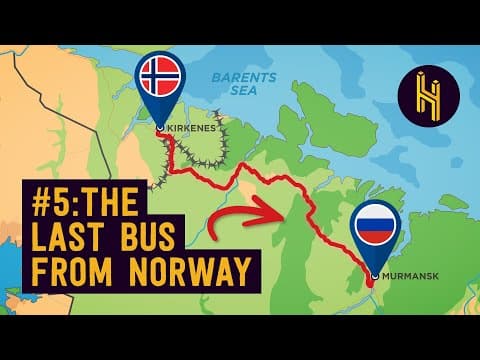
The northernmost border between Norway and Russia offers a unique solution for crossing. Over the years, the communities on both sides of the border have developed close ties, leading to special travel permits for residents living within 30 kilometers of the border. In response to the travel restrictions imposed in 2022, Norway allowed a single bus service to operate across this border.
The Borrodin, named after its owner, is not a traditional bus but rather a large van that operates once daily at 1 p.m. It transports a small number of passengers from Kirkenes in Norway to Murmansk in Russia. This journey takes approximately three and a half hours and is considered reliable, making it a preferred option for locals and commuters. Unlike the chaotic crossings in Estonia and Latvia, the Borrodin offers a straightforward and manageable way to cross the border without the extensive hassles typically associated with such travel.
In summary, crossing the Europe-Russia border has become a complex endeavor, with air travel, train journeys, and land crossings all presenting significant challenges. The Borrodin bus service in Arctic Norway stands out as a viable option for those looking to navigate this intricate landscape. As geopolitical dynamics continue to evolve, travelers must stay informed and adaptable to find the best routes available.
With this knowledge, you can better understand the current state of travel between Europe and Russia, whether for personal reasons or sheer curiosity about international borders.