This blog post explores the vibrant street life of Delhi, India, highlighting local foods, shopping experiences, and cultural interactions that define the tourist experience in this bustling city.
Delhi, the capital of India, is a city that pulsates with life, culture, and history. For tourists, it offers a unique blend of experiences, from tantalizing street food to bustling markets. In this guide, we will explore the highlights of a typical day in Delhi, focusing on the Chandni Chowk neighborhood, a hub of activity and flavor.
Upon arriving in Delhi, one of the first stops for many tourists is the Chandni Chowk area. This historic market is known for its narrow lanes filled with shops, street vendors, and an array of food options. As you walk through the bustling streets, the sights and sounds can be overwhelming yet exhilarating.
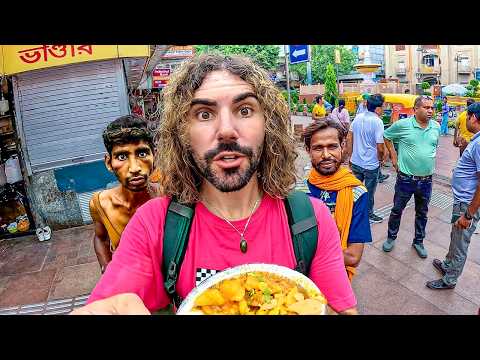
One of the first culinary experiences in Chandni Chowk is the local street food. The area is famous for its bread pakora, a deep-fried snack made with bread and stuffed with spiced potatoes and paneer. For just ₹40 (approximately $0.50 USD), you can enjoy this delicious treat, often served with a mix of green and red chutneys that add a sweet and spicy kick.
The bread pakora is just the beginning. As you wander through the market, you will encounter various other snacks, including samosas and kachoris, each offering a unique taste of Indian cuisine. The vibrant flavors and textures make street food a must-try for any visitor.
After indulging in some street food, shopping is the next adventure. Chandni Chowk is filled with shops selling everything from traditional Indian clothing to modern accessories. Bargaining is a common practice here, and tourists often find themselves negotiating prices for items like backpacks and souvenirs.
While some shops have fixed prices, many vendors are open to negotiation. For instance, a backpack might be listed at ₹750, but with some haggling, you could walk away with it for ₹200. This experience not only allows you to save money but also immerses you in the local culture.
As you navigate through the market, you will encounter friendly locals eager to share their stories and recommendations. Engaging with shopkeepers and street vendors can provide insights into the culture and daily life in Delhi. For example, a visit to a local gun shop reveals the complexities of gun ownership in India, where licenses are required, and the culture surrounding firearms is quite different from that in the United States.
No visit to Delhi is complete without exploring its historical landmarks. The Red Fort, a UNESCO World Heritage Site, is a stunning example of Mughal architecture. While the entrance fee for foreign tourists is higher than for locals, the experience of walking through its grand gates and lush gardens is well worth it.
Upon entering the Red Fort, visitors are greeted with expansive grounds and impressive structures. The fort is less crowded during certain times, allowing for a more intimate experience. While exploring, tourists can appreciate the intricate designs and historical significance of the site, making it a highlight of any trip to Delhi.
Delhi is a city that offers a rich tapestry of experiences for tourists. From the vibrant street food scene in Chandni Chowk to the historical grandeur of the Red Fort, every corner of the city has a story to tell. Engaging with locals, trying new foods, and exploring the markets are essential parts of the Delhi experience. As you plan your visit, be prepared for an adventure filled with flavors, sights, and cultural interactions that will leave a lasting impression.
Whether you're a seasoned traveler or a first-time visitor, Delhi promises an unforgettable journey through its bustling streets and rich heritage.