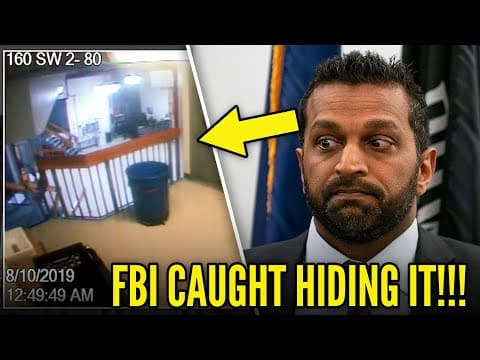
Recent findings reveal that the FBI and DOJ possess a missing minute of footage from Jeffrey Epstein's jail video, contradicting previous claims. This raises significant questions about the integrity of the evidence surrounding Epstein's death and the handling of the footage, which appears to have been edited. Experts suggest the video was manipulated, leading to further scrutiny of the circumstances surrounding Epstein's alleged suicide.
In a shocking turn of events, new information has emerged regarding the infamous jail video of Jeffrey Epstein, which was released by the FBI and the Department of Justice. Initially presented as raw footage, it has now been revealed that a crucial minute of video is missing, and the authorities actually possess this footage. This blog post delves into the implications of these revelations and the ongoing mysteries surrounding Epstein's death.
Jeffrey Epstein, a financier with connections to powerful figures, was arrested on charges of sex trafficking minors. His death in August 2019, ruled a suicide, has been surrounded by controversy and speculation, particularly regarding the circumstances of his incarceration and the events leading up to his death.
The FBI and DOJ released 11 hours of footage from Epstein's cell, claiming it demonstrated that no one entered or exited his cell during the critical time frame. However, it was later discovered that there was a minute missing from this footage. Pam Bondi, a former Florida Attorney General, suggested that this missing minute was typical of prison video systems during tape changes. This assertion has been challenged, as it appears to be misleading.
Recent investigations have indicated that the footage released was not raw but rather manipulated. According to a report by Wired, metadata embedded in the video suggests it was edited using professional software, likely Adobe Premiere. This raises serious questions about the authenticity of the footage presented to the public and the motives behind its alteration.
Experts have analyzed the video files and found that they were assembled from at least two separate clips, contradicting the claim that the footage was a direct export from the prison's surveillance system. The metadata indicates that the video was not continuous and had been processed, which is a significant deviation from what was initially claimed by the authorities.
Despite the FBI and DOJ asserting that the footage was raw, it has come to light that they possess a version of the video that does not contain the missing minute. This discrepancy raises concerns about transparency and accountability within these agencies. Why was this edited version released instead of the complete footage?
The implications of these findings are profound. The missing minute and the evidence of video manipulation cast doubt on the official narrative surrounding Epstein's death. Additionally, forensic pathologists have noted that Epstein's case was unusual, with three fractures in his neck, which is atypical for a hanging. This has led to further speculation about the circumstances of his death.
The public's interest in Epstein's case remains high, with many continuing to seek answers. The ongoing revelations about the missing footage and the potential manipulation of evidence have only intensified scrutiny of the case.
As new information continues to surface regarding Jeffrey Epstein's death and the handling of evidence, it is clear that many questions remain unanswered. The existence of the missing minute, the manipulation of video footage, and the unusual circumstances surrounding Epstein's death all contribute to a growing sense of unease and skepticism about the official narrative. The public deserves transparency and accountability from the agencies involved, and the quest for truth in this case is far from over.