North Korea Reopens to Tourists After Five-Year Hiatus
North Korea is set to reopen its borders to Western tourists for the first time in five years, starting with the city of Rason. This move comes as the country seeks to revive its tourism sector, which has been heavily restricted since the COVID-19 pandemic. While the reopening is limited and highly controlled, it raises questions about the implications of tourism in a regime known for its strict governance and human rights issues.
In a surprising move, North Korea has announced that it will allow Western tourists to visit for the first time in five years. This decision comes as the country looks to revive its tourism sector, which has been largely dormant since the COVID-19 pandemic forced it to close its borders in 2020.
The First Destination: Rason
The city of Rason, located in a remote economic zone in the northern part of the country, will be the first destination open to tourists. Unlike other areas in North Korea, Rason has operated under different economic policies and has been a testing ground for new initiatives. It is known for its shoe factory, banking system, and even a textile factory, making it a unique spot for visitors.
Tourists will have the opportunity to engage in organized tours that include visits to various locations such as factories, schools, art galleries, and even a bank where they can open a North Korean bank account. The first tours are scheduled to begin on February 12, coinciding with one of North Korea's biggest national holidays, the birthday of the late leader Kim Jong Il.
Restrictions and Concerns
Despite this reopening, the capital city of Pyongyang remains closed to foreign visitors. The tours will be highly controlled, and only a limited number of tourists from countries other than the United States and South Korea will be allowed. Historically, most tourists to North Korea have come from China and Russia, and it remains to be seen how many Western tourists will actually participate in these tours.
Simon Cockerell, a long-time tour operator with extensive experience in North Korea, emphasizes the risks involved in traveling to such a highly restrictive and complicated country. He warns potential visitors to adhere strictly to local laws, as violations can lead to severe consequences. The case of American college student Otto Warmbier, who was sentenced to 15 years of hard labor for allegedly stealing a propaganda poster, serves as a stark reminder of the potential dangers.
The Economic Implications of Tourism
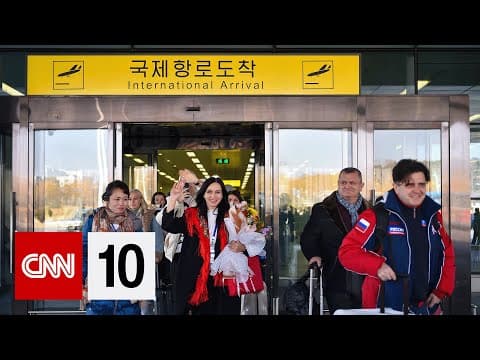
Critics of tourism in North Korea argue that it essentially supports a regime known for its human rights abuses and illegal nuclear program. However, some experts contend that tourism revenue does not significantly impact the regime's stability. For the past year, North Korea has only permitted Russian tourists to visit, indicating a shift in its tourism strategy.
Interestingly, the absence of Chinese tourists since the pandemic may reflect Beijing's growing dissatisfaction with Pyongyang's increasing ties with Moscow. This situation raises questions about the future of tourism in North Korea and whether this reopening is a sign of a broader trend or merely a limited test run.
Conclusion
As North Korea prepares to welcome a small number of Western tourists back into its borders, the implications of this move are complex. While it may signal a desire to revive its tourism sector, it also highlights the ongoing challenges and ethical considerations surrounding travel to a country with a notorious reputation for its governance and human rights record. The world will be watching closely to see how this reopening unfolds and what it means for the future of tourism in the hermit kingdom.