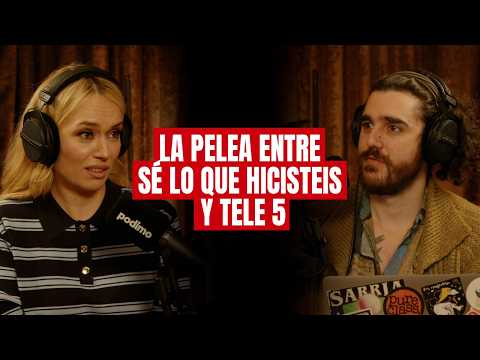
Patricia Conde recounts humorous and tense moments with co-star Ángel, the spontaneous nature of their sketches, and the cultural impact of their satirical TV show that challenged mainstream media, leading to legal battles and a shift in how television images are used. She reflects on the camaraderie, creative process, and the show's role in critiquing media practices.
In a candid conversation, Patricia Conde opens up about her experiences working on a groundbreaking television show alongside Ángel, revealing the dynamics behind their on-screen chemistry, the creative spontaneity of their sketches, and the cultural ripple effects their work had on the Spanish television landscape.
Patricia recalls a particularly funny and memorable period when she and Ángel, her co-star, had a brief falling out. Despite the tension, their relationship was akin to that of siblings, filled with playful rivalry and deep affection. Both born on October 5th, albeit two years apart, their connection was strong and genuine.
She fondly remembers how Ángel would write their section of the show during those tense days, and she would eagerly anticipate his witty scripts, curious to see if he had crafted any subtle revenge through the sketches. Patricia praises Ángel's brilliance and genius in scriptwriting, highlighting the respect and admiration underlying their playful conflicts.
Patricia describes how, during filming, she would forget about the cameras, the live audience, and viewers at home, focusing solely on the interaction between her and Ángel. This intense focus created a unique atmosphere where genuine emotions and spontaneous reactions flourished.
She recounts moments when the show's director, Gonzalo, would prompt them to stand and embrace to signal the end of a segment, leading to unexpected and humorous exchanges that delighted both the cast and the audience.
Behind their desk, which was notably metallic and noisy, they kept an array of props essential for their sketches. These included candy bottles meant to be broken over characters' heads, toy weapons, and other items that added physical comedy to their performances.
Patricia shares a humorous anecdote about preparing to impersonate Jesús Quintero, a famous Spanish journalist. She was initially unaware that the talcum cigarette and wig were meant for her, leading to a spontaneous and entertaining moment on set.
The show embraced the theatrical concept of "estracanada," where mistakes and mishaps were integrated into the performance rather than hidden. Patricia recalls falling during a sketch with Mario Casas and how they seamlessly incorporated the fall into the act, enhancing the authenticity and humor.
One of the most remarkable aspects of their show was its bold satire targeting mainstream television, particularly Tele 5, which was portrayed almost as an antagonist. This created a playful rivalry that engaged viewers and sparked conversations about media practices.
Patricia recounts a memorable event where Ángel and the team dressed as university tuners and sang outside Tele 5's offices, causing a traffic jam and drawing public attention. This act of rebellion was unprecedented and unlikely to be repeated, marking a revolutionary moment in Spanish television.
The show's provocative content led to legal challenges, with the entire team having to attend court. Patricia explains that as an actress, she was merely performing a script and was not personally responsible for the controversial remarks.
Interestingly, these legal encounters helped establish new jurisprudence regarding the use of images from other television channels, influencing how media content is shared and protected today.
Patricia believes their show served as a wake-up call to tabloid programs that often cause harm through their coverage. She emphasizes the power of words as weapons and the importance of responsible media practices, highlighting that even resilient individuals can be affected by negative portrayals.
Looking back, Patricia expresses pride in the show's success and its impact on television culture. The blend of humor, spontaneity, and social critique created a unique space that resonated with audiences and challenged the status quo.
She encourages viewers to appreciate the depth and entertainment value of the full interviews and content, inviting them to explore beyond the highlights.
Patricia Conde's insights offer a fascinating glimpse into the creative process and cultural significance of a television show that dared to push boundaries, blending comedy with sharp media criticism. Her stories underscore the importance of camaraderie, adaptability, and courage in the world of entertainment.